How To Improve Eye Vision Through Diet And Lifestyle Changes
Dec 10, 2025
Most people think of glasses, contact lenses, or surgery when they worry about their eyesight. Far fewer think about how everyday choices at the dining table or on the couch affect long-term vision. Yet learning how to improve eye vision through diet and lifestyle changes can be one of the most powerful steps for protecting sight, especially as we age and face new vision challenges after 35.
The tiny arteries that feed the eyes are similar to those that feed the heart. When food choices support heart health, they also support clear vision. A balanced diet for healthy eyes helps keep these vessels open, lowers harmful inflammation, and provides nutrients that protect delicate eye structures like the retina, macula, and lens.
Modern eye care offers advanced treatments for cataracts, glaucoma, macular degeneration, and more. Still, prevention and slowing disease through food and habits are the first line of defense. Vision Eye Centre, led by Padma Shri awardee Prof. Dr. A.K. Grover, has spent over 26 years combining world‑class clinical care with practical guidance on natural ways to improve vision. Patients receive not only precise diagnosis and treatment but also advice on what to eat, how to move, and how to care for their eyes every day.
By the end of this guide, you will understand the key nutrients for eye health, the best foods that improve eyesight, which lifestyle changes matter most, and when diet and habits are not enough and professional care is needed. It is never too late to start protecting your vision, and small changes made consistently can help prevent vision loss naturally and keep sight comfortable and clear for years.
Understanding The Connection Between Diet And Eye Health
The eyes are packed with tiny blood vessels that bring oxygen and nutrients to the retina, lens, and optic nerve. When these vessels stay healthy, vision has a better chance of staying sharp. The same eating pattern that lowers the risk of heart disease—more fruits, vegetables, whole grains, and healthy fats—also supports these fragile vessels and protects eyesight, with certain foods showing particularly strong benefits for eye health.
Oxidative stress is another key piece of the puzzle. Every day, exposure to sunlight, pollution, and normal metabolism creates unstable molecules called free radicals. These can damage eye tissues and contribute to conditions such as cataracts and age-related macular degeneration (AMD). Antioxidants from food, especially vitamins C and E, beta-carotene, lutein, and zeaxanthin, help neutralize these molecules and support long-term eye comfort and clarity.
Large studies such as AREDS and AREDS2 have shown that specific combinations of vitamins, minerals, and carotenoids can slow the progression of AMD in people already at high risk. For most people, though, whole foods work better than high-dose pills because foods also supply fiber and many helpful plant compounds. At Vision Eye Centre, doctors explain how diet fits into each person’s eye condition, so treatment plans blend medical care with clear, realistic advice on how to prevent eye problems naturally.
“Small, steady changes in what you eat can do more for your eyes than rare, dramatic overhauls.” — Ophthalmologists at Vision Eye Centre
Essential Nutrients For Optimal Eye Health
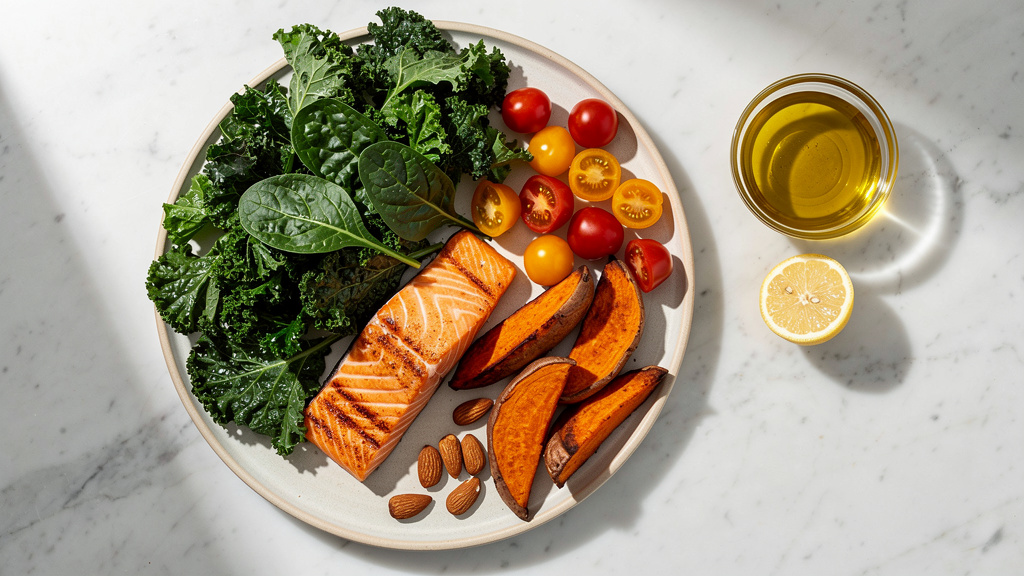
Several vitamins, minerals, and healthy fats play special roles in keeping eyes working well. When planning how to improve eye vision through diet and lifestyle changes, it helps to know what each nutrient does and where to find it.
|
Nutrient |
Main Role For Eyes |
Helpful Food Sources |
|---|---|---|
|
Vitamin A |
Supports cornea and night vision |
Sweet potatoes, carrots, leafy greens |
|
Vitamin C |
Antioxidant, supports blood vessels |
Citrus fruits, peppers, berries |
|
Vitamin E |
Protects cell membranes |
Nuts, seeds, vegetable oils |
|
Lutein & Zeaxanthin |
Protect macula, filter blue light |
Kale, spinach, egg yolks |
|
Omega-3 (DHA, EPA) |
Structural support for retina, dry eye relief |
Fatty fish, walnuts, flaxseeds |
|
Zinc |
Helps Vitamin A work, protects retina |
Oysters, beans, lean meat |
Vitamin A: The Foundation Of Clear Vision
Vitamin A is one of the best-known vitamins for eye health. In the retina, it helps convert light into signals the brain can read, which is essential for seeing in low light. It also supports a clear, smooth cornea and helps the eyes make enough tears, lowering the risk of dry, gritty discomfort—a growing concern highlighted during World Sight Day awareness campaigns.
Lack of Vitamin A can lead to night blindness and a higher risk of eye infections. Helpful foods rich in vitamin A for eyes include:
-
Sweet potatoes
-
Carrots for eyesight (through beta-carotene)
-
Dark leafy greens
-
Cantaloupe and apricots
Most adults can meet their daily needs (about 700–900 micrograms of retinol activity equivalents) through a colorful mix of vegetables and fruits rather than supplements.
Vitamin C: Powerful Antioxidant Protection
Vitamin C is a strong antioxidant that helps protect eye tissues from free radical damage caused by UV rays, smoking, and air pollution. Research, including the original AREDS trial, suggests that vitamin C for eyes may help delay the progression of AMD and cataracts when combined with other nutrients.
This vitamin also supports collagen production, which keeps the tiny blood vessels in the retina strong and flexible. Helpful sources include:
-
Citrus fruits such as oranges, lemons, and grapefruit
-
Red bell peppers (often higher in Vitamin C than citrus)
-
Strawberries, tomatoes, and peaches
Getting Vitamin C from whole foods supports both eye health and overall wellness.
Vitamin E: Cellular Defense For Eye Tissues
Vitamin E works with Vitamin C and other antioxidants to protect cell membranes throughout the eye. By limiting oxidative damage, it may help slow age-related changes in the lens that lead to cataracts and keep retinal cells healthier over time.
Good food sources include:
-
Almonds and sunflower seeds
-
Hazelnuts
-
Avocados
-
Some fortified cereals
Sprinkling nuts or seeds on salads, yogurt, or cooked vegetables is a simple way to add antioxidants for vision without changing meals dramatically.
Lutein And Zeaxanthin: Natural Macular Protection
Lutein and zeaxanthin are carotenoids that gather in the macula, the part of the retina responsible for sharp central vision. They act like natural sunglasses, filtering harmful blue light and reducing oxidative stress. This makes them especially important in a blue light protection diet, given the long hours many people spend on screens.
Studies link higher intake of these carotenoids with a lower risk of AMD and cataracts. Top lutein and zeaxanthin foods include:
-
Kale, spinach, collard greens, and turnip greens
-
Romaine lettuce and broccoli
-
Peas
-
Egg yolks
Because they are fat-soluble, pairing leafy greens for eyes with a little olive oil, avocado, or nuts helps with absorption. At Vision Eye Centre, this nutrient pair is often highlighted for patients with early macular changes or a family history of AMD.
Omega-3 Fatty Acids: Essential For Retinal Structure
Omega-3 fatty acids, especially DHA, are key building blocks of the retina’s light-sensitive cells. They support visual development and help maintain normal function throughout life. A steady intake of omega 3 for eye health is linked with a lower risk of AMD and can also improve symptoms of dry eye.
Omega-3s support the oil glands along the eyelids, which stabilize the tear film and reduce burning or stinging, while some studies have found that drinking instant coffee may be correlated with certain eye conditions. Useful sources include:
-
Fatty fish such as salmon, sardines, mackerel, and tuna
-
Walnuts
-
Flaxseeds and chia seeds
Many doctors, including those at Vision Eye Centre, encourage two to three servings of fatty fish per week as part of natural ways to improve vision and manage dry eye.
Zinc: Mineral Support For Visual Function
Zinc is a trace mineral that helps move Vitamin A from the liver to the retina, where it helps produce melanin, a pigment that protects eye structures. Zinc also supports the health of the retina itself and may help defend against light-induced damage in the macula.
Good sources include:
-
Oysters
-
Lean red meat and poultry
-
Beans such as kidney beans and black-eyed peas
-
Whole grains and fortified breakfast cereals
While zinc is important, too much from supplements can upset the balance with copper, which is also needed for healthy blood cells. Getting zinc from food or taking supplements under an ophthalmologist’s guidance is the safest path.
Vision-Boosting Foods To Include In Your Diet
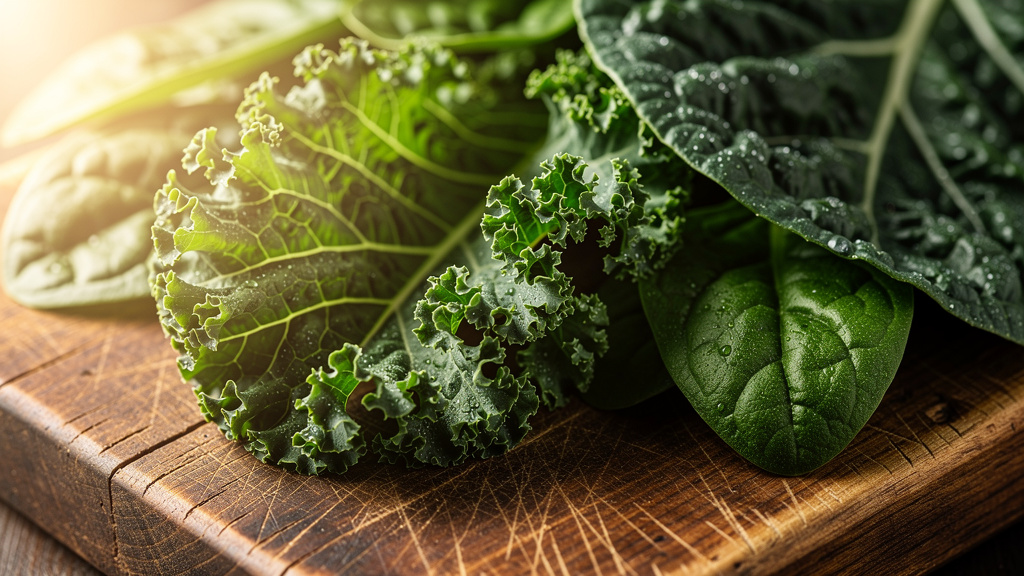
Knowing the nutrients is helpful, but daily meals and snacks are where foods that improve eyesight really matter. When thinking about how to improve eye vision through diet and lifestyle changes, it helps to picture each plate as an opportunity to feed the eyes as well as the rest of the body.
Many people find it easier to plan by food groups rather than by individual vitamins. A mix of colorful vegetables, fruits, lean proteins, healthy fats, and whole grains can supply nearly all the nutrients for eye health without a long list of pills.
-
Leafy greens and other vegetables make an excellent foundation for an eye-friendly plate. Kale, spinach, and collards provide concentrated lutein and zeaxanthin, which protect the macula, while carrots, sweet potatoes, red bell peppers, broccoli, and Brussels sprouts add beta-carotene and Vitamin C. Light steaming or quick stir-frying in a small amount of oil preserves more nutrients than heavy boiling. Adding a small drizzle of olive oil or a few slices of avocado helps the body absorb fat-soluble carotenoids.
-
Fruits contribute natural sweetness along with key eye-protective vitamins. Citrus fruits such as oranges and grapefruit bring Vitamin C, while cantaloupe and apricots provide Vitamin A support. Berries supply a blend of antioxidants for vision and go well in yogurt, oatmeal, or salads. Including two to three different fruits across the day spreads out these benefits and supports general health as well.
-
Protein sources can be powerful allies for eye health. Fatty fish like salmon, sardines, and mackerel add omega-3s, which support the retina and help with dry eye, while lean meats and poultry bring zinc. Eggs are a standout food because the yolks contain lutein, zeaxanthin, zinc, and Vitamin A in a form the body can absorb easily. Including fish a few times a week and eggs several times per week fits well into many eating styles.
-
Nuts, seeds, and legumes support both eye and heart health. Almonds and sunflower seeds give Vitamin E, while walnuts and flaxseeds offer plant-based omega-3s. A small handful of nuts, or a spoonful of seeds added to cereal or salads, can fit into most calorie needs. Beans and lentils supply zinc, plant protein, and fiber, all of which match well with a diet for healthy eyes.
At Vision Eye Centre, doctors often combine these food recommendations with care plans for conditions such as diabetic retinopathy and macular degeneration. Patients learn that whole foods bring broader benefits than isolated supplements and that small, regular changes add up over time.
Lifestyle Changes That Protect And Support Vision
Food is only one part of how to improve eye vision through diet and lifestyle changes. Daily habits around movement, smoking, screen use, and sleep also shape how eyes feel and function. Adjusting these areas can help prevent vision loss naturally, especially when combined with regular eye care.
Regular Physical Activity For Eye Disease Prevention
Regular physical activity supports eye health in several indirect but powerful ways. It helps keep blood pressure in a healthy range and lowers the risk of type 2 diabetes, both of which are major risk factors for diabetic retinopathy, hypertensive retinopathy, and glaucoma. When these conditions are better controlled, the delicate vessels and nerves inside the eyes stay safer.
Studies suggest that consistent exercise may reduce the risk of AMD and other age-related eye problems. Activities do not need to be intense to help. Helpful options include:
-
Brisk walking for about 30 minutes most days
-
Swimming or cycling
-
Gentle yoga or stretching routines
Breaking movement into shorter 10-minute sessions can work well for people who are busy or out of practice.
Vision Eye Centre regularly counsels patients with diabetic eye disease on the importance of physical activity along with medical treatment. Even starting exercise later in life offers benefits, and doctors often encourage patients to work with their physician to choose safe activity levels.
Quit Smoking: Critical For Preserving Eyesight
Smoking is one of the strongest lifestyle risks for vision. It roughly doubles the chance of developing AMD and raises the risk of cataracts at an earlier age. Smoke exposure also lowers antioxidant levels in the body, making it harder for eyes to handle oxidative stress from sunlight and pollution.
Beyond AMD and cataracts, smoking can worsen dry eye and may contribute to damage of the optic nerve, which carries visual signals to the brain. Quitting at any age helps lower these risks, and the body begins healing within hours and days of the last cigarette. Many people need several attempts to stop, and that is normal.
Vision Eye Centre sees the effects of smoking on eye tissues every day and supports patients who are ready to quit, often in coordination with their primary doctor. Counseling, nicotine replacement, medications, and support groups can all raise the chances of success and protect long-term sight.
Manage Screen Time And Prevent Digital Eye Strain

For many people, work and leisure involve long hours with computers, tablets, and phones. This can lead to digital eye strain, also called Computer Vision Syndrome, with symptoms such as headaches, blurred vision, dry eyes, neck or shoulder pain, and general fatigue.
The 20-20-20 rule is a simple, proven habit that helps. Every 20 minutes, look away from the screen at something about 20 feet away for at least 20 seconds. This quick reset relaxes the focusing muscles in the eyes and reduces strain. Setting a reminder on a phone or computer can help make this a steady habit.
Other practical tips include:
-
Adjust screen brightness to match the room
-
Keep screens about 20–26 inches away and slightly below eye level
-
Use larger font sizes when possible to reduce squinting
-
Use blue light filters and limit screen use before bed to reduce glare and improve sleep
-
Remember to blink more often, and use artificial tears if dryness persists
Vision Eye Centre often combines these lifestyle steps with treatment for Computer Vision Syndrome and dry eye.
Prioritize Quality Sleep For Eye Recovery
During sleep, the eyes rest, repair, and rebuild their tear film. When sleep is short or poor in quality, people often notice more eye strain, dryness, and even blurry vision during the day. Blinking slows when a person is tired, which means fewer fresh tears spread across the eye’s surface.
Most adults do best with seven to nine hours of sleep each night. Helpful habits include keeping a regular bedtime, using a dark, quiet room, and limiting screen time for an hour before bed. For people with existing eye conditions, long-term sleep loss can make symptoms worse. At Vision Eye Centre, doctors often ask about sleep patterns when patients have chronic discomfort, since lifestyle adjustments can support medical treatment.
“Good sleep is as important for your eyes as good nutrition.” — Senior specialists at Vision Eye Centre
Protecting Your Eyes From Environmental Factors
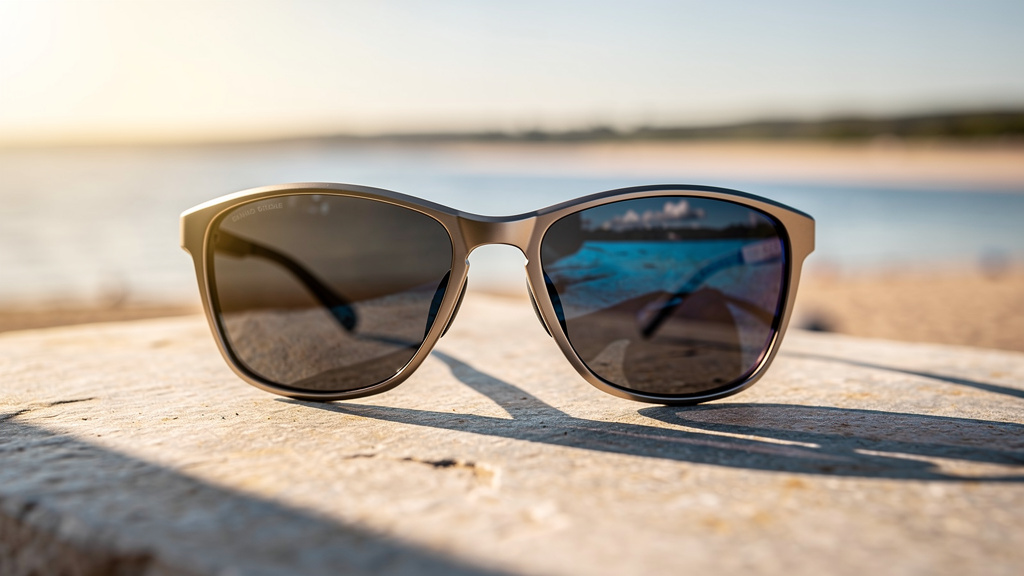
External conditions can harm the eyes just as much as internal health issues. When planning how to improve eye vision through diet and lifestyle changes, it makes sense to include simple protective steps against sunlight, dryness, and injury.
Key protective habits include:
-
Shielding from UV light: Sunlight contains ultraviolet (UV) rays that build up damage over a lifetime. This raises the risk of cataracts, macular degeneration, and even rare eye cancers. Wearing sunglasses that block 100% of UVA and UVB rays, along with a wide-brimmed hat, helps shield the eyes. Protection matters not only on bright summer days but also around water, snow, and at high altitudes.
-
Staying well hydrated: The tear film that keeps the eye surface smooth and clear depends on enough water in the body. Drinking about 8–10 glasses of fluid a day, more in hot weather or with exercise, supports tear production and can ease dry eye symptoms. People who drink a lot of coffee or alcohol may need a bit more water to balance things out.
-
Using appropriate eye protection: Jobs in construction, manufacturing, or laboratories often involve dust, chemicals, or flying particles that can hurt the eyes. Protective goggles or face shields prevent many injuries. At home, safety glasses help during yard work, hammering, drilling, or using strong cleaners. Sports such as racquetball or cricket can also cause eye injuries without proper protection.
-
Improving air quality where possible: Smoke, pollution, and very dry indoor air can irritate eyes and worsen dryness. Using a humidifier in dry climates and avoiding direct air from fans or vents blowing into the face can keep eyes more comfortable.
Vision Eye Centre regularly treats irritation and allergies made worse by environmental triggers and guides patients on practical steps to reduce these problems.
When To Seek Professional Eye Care
Healthy eating and smart habits are powerful, but they cannot replace regular, thorough eye examinations. Many serious eye diseases, such as glaucoma, early AMD, and diabetic retinopathy, develop silently. By the time symptoms appear, damage may already be advanced.
Routine eye exams help catch these issues early, when treatment can protect vision best. For adults between 40 and 54, an exam every two to four years is usually recommended. Between 55 and 64, visits every one to three years may be advised, and after 65, yearly exams are often best. People with diabetes, high blood pressure, a strong family history of eye disease, or long-term medication use may need more frequent checks.
Certain symptoms should prompt urgent attention, such as:
-
Sudden loss of vision in one or both eyes
-
Flashes of light or a sudden shower of floaters
-
Eye pain
-
Double vision
-
Marked redness with discharge
In these cases, waiting to see if things improve on their own can be risky.
A comprehensive exam at Vision Eye Centre includes more than a quick vision check. It usually covers visual acuity testing, refraction for glasses prescription, measurement of eye pressure, and a detailed view of the retina and optic nerve, often using pupil dilation and advanced imaging. The centre offers specialized care for diabetic retinopathy, dry eye, glaucoma, macular degeneration, and pediatric eye problems, along with an in-house pharmacy for prescribed drops and eye health supplements when needed. As Delhi’s only NABH-accredited eye hospital led by Prof. Dr. A.K. Grover, Vision Eye Centre combines modern technology with a calm, patient-centered approach.
Conclusion
Clear vision depends on far more than genetics or age. Daily choices about food, movement, screen use, and sleep all play a meaningful role. Learning how to improve eye vision through diet and lifestyle changes gives every person a way to protect their sight, whether the goal is to avoid problems or to slow changes that have already begun.
Key building blocks include Vitamin A, C, and E, lutein and zeaxanthin, omega-3 fatty acids, and zinc, all supplied by colorful vegetables, fruits, nuts, seeds, fish, and legumes. Regular exercise, quitting smoking, managing screen time with the 20-20-20 rule, protecting against UV rays, staying hydrated, and getting enough sleep work together to support the eyes. These steps will not replace glasses or cure conditions like cataracts or glaucoma, but they can help improve eyesight without glasses in the sense of comfort, stability, and slower decline.
At the same time, healthy habits work best alongside regular professional eye care. Vision Eye Centre offers more than advanced cataract surgery, LASIK, and treatment of complex diseases. Its multi-generational team of fellowship-trained specialists provides thoughtful guidance on lifestyle changes for better eyesight, grounded in over 26 years of experience and backed by NABH-accredited quality standards. For anyone ready to take the next step in caring for their eyes, scheduling a comprehensive exam at Vision Eye Centre is a strong way to combine medical expertise with everyday action.
FAQs
Can Diet Alone Improve My Eyesight If I Already Have Poor Vision?
Diet changes cannot correct refractive errors such as nearsightedness, farsightedness, or astigmatism. These issues involve how the eye focuses light and still need glasses, contact lenses, or procedures like LASIK. However, a nutrient-rich eating pattern can slow the progression of age-related conditions like AMD and cataracts and may improve comfort in dry eye. Using food as part of natural ways to improve vision supports the health of existing eye tissue. For a full picture of what is possible in your case, an eye specialist at Vision Eye Centre can review your eyes and advise you.
What Are The Best Foods To Eat Daily For Eye Health?
A simple approach is to fill half the plate with vegetables, especially leafy greens such as kale and spinach that are rich in lutein and zeaxanthin. Adding at least one serving of fatty fish two to three times a week supplies omega-3s that support the retina and tear film. Colorful vegetables like carrots, sweet potatoes, and red bell peppers bring beta-carotene and Vitamin C, while citrus fruits or berries each day add more antioxidants. A small handful of almonds or walnuts several times a week contributes Vitamin E and healthy fats. Vision Eye Centre often helps patients design practical menus that fit these guidelines and their medical needs.
How Long Does It Take To See Improvements In Eye Health From Dietary Changes?
Some people notice improvements in symptoms such as dry eye, tiredness, or general comfort within a few weeks of changing what they eat and drink. Protective effects against AMD, cataracts, and other long-term diseases build more slowly. Macular pigment density from lutein and zeaxanthin foods, for example, can take three to six months of steady intake to rise. The main goal is to prevent or slow damage rather than reverse changes that are already present. Staying consistent with healthy choices and keeping regular eye exams allows your doctor to track progress over time.
Are Eye Health Supplements Necessary, Or Can I Get Everything From Food?
Most people can meet their needs for vitamins for eye health through a balanced eating pattern that includes vegetables, fruits, whole grains, lean protein, and healthy fats. In some situations, though, supplements are useful. People with moderate to advanced AMD may benefit from specific AREDS2 formulas. Those with digestive problems, very limited diets, or certain medical conditions may also need targeted supplements. Taking high-dose pills without guidance can create imbalances, such as too much zinc or Vitamin A. Vision Eye Centre recommends discussing any supplement plan with an ophthalmologist, who can also provide access to trusted products through the centre’s pharmacy when appropriate.
Can Lifestyle Changes Help With Specific Conditions Like Cataracts Or Glaucoma?
Lifestyle steps cannot cure cataracts or glaucoma once they have formed, but they can support medical treatment and slow further harm. For cataracts, a diet rich in antioxidants, UV protection with proper sunglasses, and avoiding smoking may delay their development or growth. For glaucoma, regular exercise and careful control of blood pressure and diabetes support healthy eye pressure and blood flow to the optic nerve. In AMD, AREDS2 supplements, omega-3s, lutein and zeaxanthin, and quitting smoking all help slow worsening. At Vision Eye Centre, specialists design management plans that blend lifestyle advice with medicines, lasers, or surgery as needed.
Is The 20-20-20 Rule Really Effective For Preventing Eye Strain?
Yes, the 20-20-20 rule is widely recommended by eye care professionals as a simple way to reduce digital eye strain. It works by giving the focusing muscles in the eyes brief but regular breaks from near work, which lowers the build-up of tension and fatigue. The rule is most effective when combined with other good habits, such as proper lighting, correct screen distance and height, frequent blinking, and short breaks away from devices, and some practitioners recommend complementary eye yogic exercises as alternative therapies. Reminder apps can help make the practice automatic during long workdays. Vision Eye Centre often includes this rule, along with individualized advice and sometimes eye exercises for better vision comfort, in treatment plans for people who spend many hours on screens.