How to protect your eyes from air pollution
Dec 23, 2025
Step outside on a winter morning in Delhi and the eyes often start to sting before the day has even begun. The thick smog mixed with dust and fumes does not just affect the lungs; it also attacks the delicate surface of the eyes. For anyone wondering how to protect your eyes from air pollution, this daily reality can feel worrying, especially when children, working adults, and older family members are all exposed.
The eyes are open to the air every second we are awake. A thin tear film is the only shield between the eye surface and clouds of particulate matter, smoke, and gases. When this shield breaks down, problems like air pollution eye irritation, dry eye, and allergic conjunctivitis become common. In Delhi NCR and other polluted cities, doctors now see far more patients with burning, redness, gritty sensation, and watering linked directly to bad air.
This article brings together practical, science-based ways to protect eyesight in polluted areas. It covers outdoor and indoor protection, daily hygiene, diet and lifestyle, safe use of eye drops, and special care for contact lens and makeup users. It also explains when home care is no longer enough and it is time to see a specialist.
Vision Eye Centre, with NABH-accredited facilities, internationally trained ophthalmologists, and many years of experience in Delhi, regularly manages pollution-related eye problems. By the end of this guide, it will be clear how to protect your eyes from air pollution day to day, and how expert care at Vision Eye Centre can help reduce long-term damage.
The World Health Organization notes that “air pollution is one of the greatest environmental risks to health,” and the eyes are among the first organs to feel its effects.
Key Takeaways
Air pollution affects almost everyone in cities like Delhi, so it helps to have the main points in one place before going into detail. The summary below brings together simple, realistic steps that fit into daily life and highlight when professional care is important.
-
Air pollution increases the risk of eye irritation, dry eye syndrome, allergic conjunctivitis, and long-term surface damage, especially in children, older adults, and people with existing eye problems. Understanding pollution and eye health makes it easier to act early instead of waiting for serious trouble.
-
Effective eye protection from pollution outdoors includes checking the Air Quality Index (AQI), using wrap-around sunglasses or goggles, avoiding peak smog hours, and washing the face and eyelids after coming indoors. These pollution eye safety tips reduce how much dust, smoke, and chemicals reach the eye surface.
-
Good indoor eye protection involves HEPA air purifiers, controlled ventilation, and healthy humidity levels, along with drinking enough water and following simple eye hygiene. These habits help reduce eye pollution irritation even when staying at home or in the office.
-
Warning signs like persistent redness, pain, light sensitivity, blurred vision, or thick discharge mean self-care is no longer enough and an ophthalmologist should be seen quickly. Early treatment can stop eye damage from pollution becoming permanent.
-
Vision Eye Centre offers comprehensive assessment, advanced dry eye and allergy care, and personalised advice for eye care in polluted areas, helping families in Delhi NCR protect their sight over the long term.
Understanding How Air Pollution Damages Your Eyes
To understand how to protect your eyes from air pollution, it helps to know what exactly polluted air does to them. The front of the eye has a large, exposed surface and is covered only by a thin, three-layered tear film. This film keeps the eye smooth, moist, and clear. When dirty air hits the eyes all day, this delicate layer is often the first thing to suffer.
Urban air in India contains a mix of fine and coarse particulate matter (PM₂.₅ and PM₁₀), nitrogen dioxide from traffic, ozone formed in strong sunlight, sulphur dioxide from burning fuel, and carbon monoxide. Research has shown that even small increases in these gases raise the risk of conjunctivitis. For example, a ten microgram per cubic metre rise in nitrogen dioxide is linked with almost a three per cent higher risk of conjunctivitis. Similar, though smaller, increases occur with ozone and PM₁₀.
These pollutants do not just float past the eyes:
-
Tiny particles settle on the tear film.
-
Gases dissolve in the tears and react with the eye surface.
-
This combination breaks up the tear film so it evaporates faster and leaves dry spots.
The exposed surface then becomes inflamed, and the body releases histamine and other chemicals, which cause itching, redness, and swelling. Oxidative stress from pollutants can also damage cells on the cornea and conjunctiva over time.
Children under eighteen, women, older people, outdoor workers, and anyone with existing dry eye or allergy are especially at risk. For them, repeated exposure can change a mild air pollution eye irritation into chronic dry eye, severe allergy, or other conditions that need medical treatment. This is why families in heavily polluted areas like Delhi NCR benefit from regular checks at specialist centres such as Vision Eye Centre.
As cornea specialists often say, “protecting the ocular surface every day is far easier than repairing it after years of damage.”
Common Eye Conditions Triggered By Air Pollution
Air pollution can bring on new eye problems or make existing ones worse. Recognising these conditions early helps in deciding when better protection or medical care is needed.
Allergic conjunctivitis, often called pink eye, is very common in polluted cities. The clear membrane covering the white of the eye becomes inflamed, leading to redness, intense itching, swelling, and a gritty feeling. Pollutants in the air can act as irritants on their own or carry allergens like pollen, so the eye reacts again and again.
Dry eye syndrome is another frequent complaint. When particles and gases break up the tear film, tears evaporate too quickly. This causes persistent dryness, burning, a sandy feeling, and sometimes blurred vision that clears after blinking. Many people notice a strange mix of dryness and watering, as the eye tries to wash away irritants.
General eye irritation appears as stinging, redness, watering, sensitivity to light, and a feeling that something is stuck in the eye. These symptoms can show up after even a short walk in heavy smog, especially during high AQI days in winter.
Over years, exposure to pollution along with strong sunlight and wind can contribute to pterygium, a fleshy growth starting on the white of the eye and moving towards the cornea. In some people, repeated allergic inflammation leads to vernal keratoconjunctivitis, a more severe and chronic form of allergy that can affect vision.
Left untreated, these conditions raise the risk of infection, ongoing inflammation, and in some cases lasting vision problems. At Vision Eye Centre, advanced diagnostic tools allow ophthalmologists to identify the exact cause of symptoms and plan focused treatment instead of just masking discomfort.
Essential Outdoor Protection Strategies
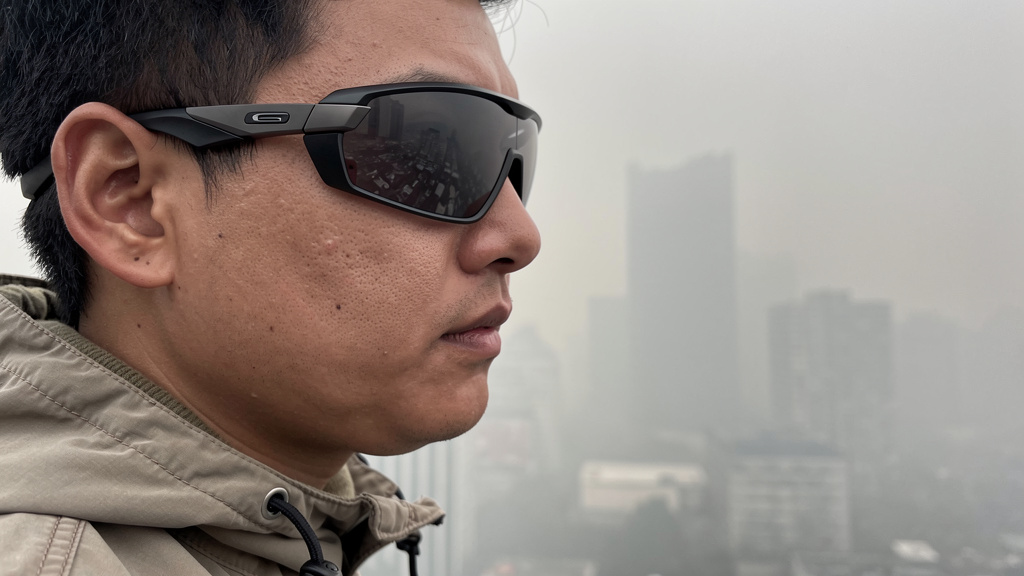
Going out cannot always be avoided, even when air quality is poor. The good news is that a few practical habits can greatly reduce exposure and help with protecting eyes from smog and dust.
Start by checking the Air Quality Index (AQI) on reliable apps or government websites before leaving home. When the AQI moves into the unhealthy, very unhealthy, or hazardous range:
-
Cut down non-essential outdoor trips where possible.
-
Avoid long walks, outdoor exercise, or play for children.
-
Try not to send older adults out during peak smog periods.
Early mornings and late evenings often have heavier smog, so scheduling walks or errands for late morning or afternoon can reduce contact with pollutants. On days when air quality is especially poor, shifting exercise indoors is better for both lungs and eyes.
Using proper eyewear is one of the most effective pollution eye safety tips:
-
Choose wrap-around sunglasses that fit close to the face.
-
Look for full UV protection and good side coverage.
-
Pick frames that rest snugly along the cheeks and nose to reduce gaps.
For those who work on roads, construction sites, or in heavy traffic, sealed safety goggles provide even stronger eye safety during air pollution, as they block dust and fumes from almost all sides.
Immediate hygiene after outdoor exposure also matters. Once back indoors:
-
Gently wash the face, eyelids, and lashes with clean, cool water.
-
Avoid rubbing the eyes, even if they itch.
-
Pat dry with a soft towel instead of scrubbing.
Rubbing can grind tiny particles into the surface, increase inflammation, and worsen air pollution eye irritation.
For people with a history of allergy, dry eye, or previous surgery, careful outdoor protection is especially important. Regular check-ups at Vision Eye Centre allow specialists to adjust advice and treatment based on how each person’s eyes respond to Delhi’s changing air quality.
Creating A Safe Indoor Environment
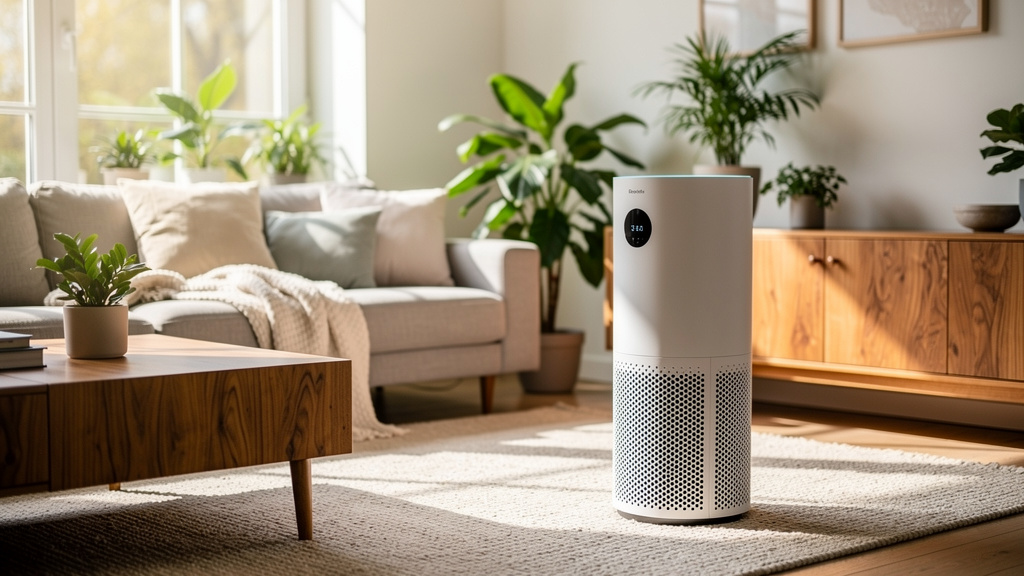
Many people assume that staying indoors is enough to protect their eyes from pollution. In reality, indoor air can also contain a mix of outdoor pollutants and particles from indoor activities, so planning a cleaner home or office environment is a key part of eye care in polluted areas.
Using an air purifier with a HEPA filter helps remove fine dust, smoke particles, and allergens from indoor air. These filters trap at least ninety-nine point nine per cent of particles of the right size and are especially helpful in bedrooms, living rooms, and home offices where people spend most of their time. For best results:
-
Place purifiers away from walls and corners.
-
Keep doors and windows closed during high pollution periods.
-
Replace filters as recommended by the manufacturer.
Ventilation needs a balanced approach. On bad AQI days, it is better to keep windows shut and use exhaust fans briefly in kitchens and bathrooms to remove cooking fumes and steam. Sealing gaps around windows and doors with simple strips or sealants stops polluted air creeping into the room. At the same time, avoiding indoor smoking, heavy incense burning, and harsh cleaning sprays reduces extra irritants that might worsen pollution-related eye problems.
Indoor air that is too dry makes tears evaporate faster and can trigger or worsen dry eye symptoms. Air conditioning and heaters are common causes of this dryness. Helpful steps include:
-
Using a humidifier to keep humidity in a comfortable range.
-
Placing bowls of water near heat sources if a humidifier is not available.
-
Dusting with damp cloths and vacuuming with machines that have HEPA filters.
These measures reduce dust that might irritate eyes and support a more stable tear film.
If, despite these steps, eyes remain red, gritty, or uncomfortable indoors, a visit to Vision Eye Centre can help identify whether pollution, allergy, dry eye disease, or another cause is involved.
Daily Eye Hygiene And Care Practices
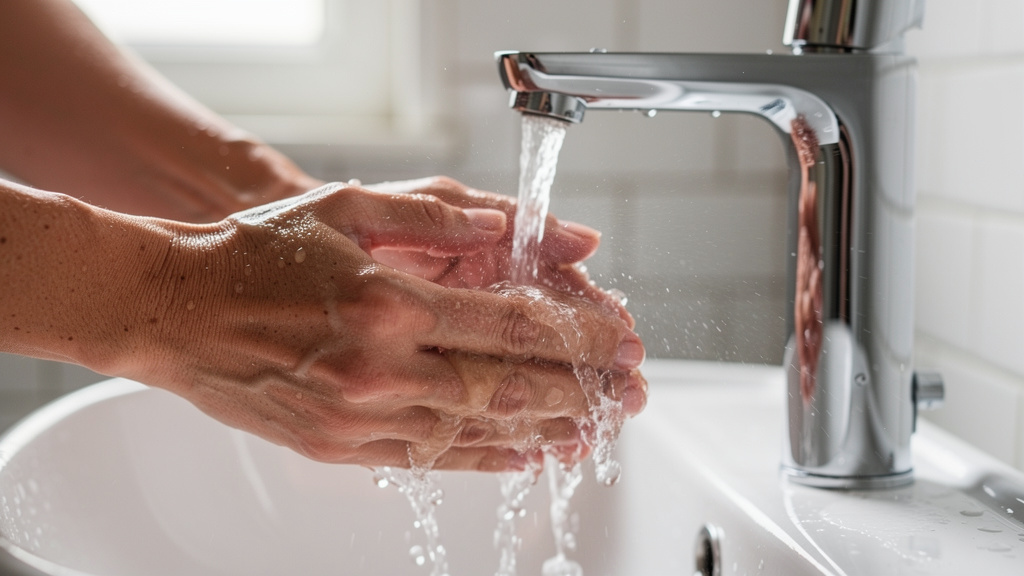
Daily habits are often the most powerful tools when thinking about how to protect your eyes from air pollution. Small, repeated actions through the day protect the tear film, reduce irritants, and support overall eye comfort.
Hand hygiene comes first. Washing hands thoroughly with soap and water through the day, especially after travel or handling money, lowers the chance of transferring pollutants and germs to the eyes. Try to avoid touching or rubbing the eyes. Even short rubbing can scratch the surface, disturb the tear film, and push dust and allergens deeper into the tissues.
After spending time outdoors, gently washing the face and closed eyelids with clean water helps remove particles stuck to the lashes, lids, and surrounding skin. This simple step can noticeably reduce air pollution eye irritation for many people. Pat the area dry with a soft towel, taking care not to drag the skin.
Good hydration supports healthy tear production. Aim for eight to ten glasses of water spread through the day, more in hot weather. During long hours on computers or phones, blinking often and fully is important. Many of us blink less while staring at screens, so setting reminders to follow the 20–20–20 rule can help:
-
Every 20 minutes, pause your work.
-
Look at something about 6 metres away.
-
Do this for at least 20 seconds while blinking slowly.
Anyone who uses eye makeup should clean it off completely at night with a gentle remover to prevent clogging the oil glands along the lash line. Contact lens users need to follow cleaning and storage instructions closely and should remove lenses at the first sign of discomfort.
Above all, plan regular comprehensive eye examinations. At Vision Eye Centre, annual check-ups for adults, and more frequent visits for people with symptoms, allow early detection and treatment of pollution-related problems.
Nutrition And Lifestyle For Enhanced Eye Health

What goes on the plate can be as important as what goes into the eyes. Pollution increases oxidative stress on the eye surface, and good nutrition helps the body repair and defend itself. Simple lifestyle changes can support this internal eye protection from pollution.
Antioxidant vitamins such as C and E help protect eye cells from damage caused by free radicals formed in polluted air. Citrus fruits, guava, amla, berries, capsicum, almonds, and sunflower seeds are all rich in these vitamins. Green leafy vegetables like spinach and methi, as well as carrots and sweet potatoes, supply vitamin A, lutein, and zeaxanthin, which support the retina and overall eye health.
Omega three fatty acids have anti-inflammatory effects and are known to support a stable tear film, which is vital when trying to prevent eye damage from pollution. Good sources include oily fish such as salmon or mackerel, along with walnuts, flaxseeds, and chia seeds. The table below gives a quick summary.
|
Nutrient |
How It Helps Eyes |
Easy Indian Sources |
|---|---|---|
|
Vitamin C and E |
Help protect surface cells from pollution-related damage |
Amla, citrus fruits, berries, nuts, seeds |
|
Vitamin A, lutein, zeaxanthin |
Support clear vision and healthy retina |
Spinach, kale, carrots, green vegetables |
|
Omega three fatty acids |
Support tear film quality and reduce dryness |
Oily fish, walnuts, flaxseeds, chia seeds |
Good sleep is another pillar of eye care in polluted areas. Seven to eight hours of sleep allow the eye surface to recover and tears to spread evenly. Managing screen-related strain with the 20–20–20 rule is especially important in polluted cities, because screen strain and dirty air together make dry eye symptoms far worse.
Avoiding smoking and second-hand smoke is also important, as smoke adds more toxins on top of outdoor pollution. At Vision Eye Centre, ophthalmologists often include these lifestyle steps when advising patients with dry eye and allergy.
Effective Use Of Eye Drops And Natural Remedies

When eyes feel sore or gritty after a day in heavy smog, the first instinct is often to reach for eye drops or home remedies. Used wisely, these can give safe relief and support long-term protection from air pollution eye irritation.
Artificial tears, also called lubricating eye drops, are usually the first choice for pollution-related dryness. They:
-
Add moisture and comfort.
-
Wash away dust and allergens.
-
Help rebuild the tear film.
For regular use, preservative-free drops are safest, because preservatives in some bottles can irritate sensitive eyes when used many times a day. Antihistamine eye drops are helpful when itching and swelling are mainly due to allergy triggered by polluted air.
Correct application makes drops more effective:
-
Wash your hands well with soap and water.
-
Tilt your head back slightly and look up.
-
Gently pull down the lower lid to create a small pocket.
-
Place one drop into this pocket without letting the dropper touch the eye or eyelashes.
-
Close the eye gently for a few seconds and avoid squeezing the lids tightly.
Lubricating drops can be used as often as needed through the day, especially before going outdoors and after returning home.
Natural remedies can add comfort when used safely:
-
A cold compress made with a clean cloth dipped in cool water and placed over closed eyes for ten to fifteen minutes can reduce redness and swelling.
-
Chilled cucumber slices placed on the eyelids provide soothing moisture.
-
Cooled chamomile or green tea bags, used in the same way, may help calm mild inflammation.
-
Pure aloe vera gel applied carefully on the skin around, not inside, the eyes can ease irritation of the surrounding area and should be rinsed off after some minutes.
Some traditional remedies, such as putting rose water or homemade mixtures directly into the eye, may introduce germs or cause further irritation. If symptoms last more than two or three days, or if there is pain or blurred vision, it is safer to stop self-treatment and see an ophthalmologist. Vision Eye Centre offers prescription-strength drops and advanced dry eye therapies when simple measures are not enough.
Special Considerations For Contact Lens Wearers
Contact lenses can make life much easier for many people, but polluted air adds extra challenges. Lenses sit directly on the tear film and can act like sponges, collecting tiny particles and chemical residues. This can increase dryness, discomfort, and risk of infection if care is not taken.
On high pollution days, or whenever eyes feel red, gritty, or watery, it is better to switch to glasses. Wearing wrap-around sunglasses or protective glasses over contact lenses when outside can reduce direct contact with smog and dust. If sudden discomfort, stinging, or blurred vision appears while wearing lenses, remove them as soon as possible and use preservative-free lubricating drops to rinse the eye surface.
Good hygiene is even more important in polluted environments:
-
Wash and dry hands well before handling lenses.
-
Clean and disinfect lenses exactly as advised.
-
Replace the lens case regularly so that it does not harbour germs or deposits.
-
Inspect each lens for scratches, chips, or visible deposits before putting it in.
A damaged lens can irritate the cornea and trap pollutants against it.
For some people in Delhi NCR, daily disposable lenses are safer because a fresh, clean lens is used each day, with no long-term build-up of particles. Specialists at Vision Eye Centre can guide users on the best lens type, cleaning routine, and wearing schedule based on their eye health and local conditions.
Eye Makeup Safety In Polluted Environments
Makeup can make eyes stand out, but in polluted air it can also trap particles and add to irritation. Being careful about eye cosmetics is an important part of learning how to protect your eyes from air pollution.
Try to:
-
Avoid applying kajal, eyeliner, mascara, or glitter when eyes already feel red, itchy, or watery.
-
Use lighter makeup around the eyes on high AQI days.
-
Avoid heavy lines on the inner lid, which increase the chance of makeup particles reaching the eye surface.
Choosing better products matters. Look for brands that are labelled as hypoallergenic and tested by ophthalmologists, and avoid very harsh or strongly scented products. At night, always remove eye makeup fully with a gentle, dedicated remover rather than rubbing hard with soap and water. Leaving traces of makeup overnight can:
-
Block the oil glands in the eyelids.
-
Allow pollutants to collect along the lash line.
-
Lead to styes or long-term irritation.
Eye makeup should not be shared, even within the family, and should be replaced every three to six months to lower the chance of bacterial growth in the tubes and bottles. If makeup seems to trigger repeated redness or swelling, an examination at Vision Eye Centre can help identify allergies or other underlying problems.
Recognising Warning Signs: When To Consult An Ophthalmologist
Many mild eye problems from pollution settle with simple care. However, some signs mean that it is time to stop home treatment and see an eye specialist without delay. Knowing these warning signals protects long-term sight.
-
Persistent symptoms: Redness, burning, or gritty feeling for more than three to five days suggests more than simple irritation and may point to dry eye disease, allergy, or infection. When symptoms last this long despite using lubricating drops and following basic care, professional assessment becomes important. Early advice at Vision Eye Centre can stop the problem from becoming long-standing.
-
Sudden changes in vision: New blurring, difficulty focusing, seeing floaters, or flashes of light should never be ignored. These can indicate serious problems within the eye that are not just related to dirty air. Quick diagnosis gives the best chance of protecting sight.
-
Severe discomfort: Strong pain, marked light sensitivity, or a feeling that something sharp is stuck in the eye may mean corneal damage or significant inflammation. In such cases, it is safer to avoid using random over-the-counter drops and instead arrange an urgent visit to an ophthalmologist. Self-treatment can sometimes mask symptoms and delay the right care.
-
Signs of infection or growths: Thick yellow or green discharge, eyelid swelling that does not go down, or new fleshy growths on or near the eye are further reasons to seek help. These signs can suggest infection or other conditions that need prescription medicines or small procedures.
-
Higher-risk groups: People with long-term dry eye, allergies, autoimmune disease, diabetes, or previous eye surgery need closer monitoring in polluted environments. Vision Eye Centre, with NABH-accredited facilities, advanced diagnostic equipment, and experienced specialists, provides detailed checks and individual treatment plans for such higher-risk groups.
Vision Eye Centre's Comprehensive Approach To Pollution-Related Eye Care
For residents of Delhi NCR, finding a trusted partner in eye care is just as important as learning daily pollution eye safety tips. Vision Eye Centre focuses on both aspects, combining education with advanced clinical care.
Every patient starts with a detailed consultation and examination by a highly qualified ophthalmologist. History of exposure to pollution, screen time, allergies, and general health are all considered alongside tests for vision, tear film quality, corneal health, and the state of the ocular surface. This wider view allows doctors to link symptoms such as burning, grittiness, or watering directly to air quality when relevant.
Management of dry eye disease linked to pollution is an important part of the centre’s work. Individual care plans may include:
-
Prescription anti-inflammatory drops.
-
Different types of lubricants, including preservative-free options.
-
Oral medicines when systemic illness is involved.
-
Practical advice on environment and diet.
Physical treatments such as warm compresses and guided eyelid massage help improve the function of the oil glands in the lids, which is vital for a stable tear film. Specialised equipment is also available to support the health of these glands in more stubborn cases.
Vision Eye Centre’s NABH accreditation reflects strong standards in safety and infection control, while its modern diagnostic tools allow precise evaluation of even subtle changes on the eye surface. With major super specialties under one roof and a guiding philosophy of “Excellence … with a humane touch”, patients receive both high-level medical care and clear, kind communication. For families dealing with the daily stress of pollution and eye health, this combination offers steady, long-term support.
Conclusion
Air pollution is not just a headline about smog and masks; it is a daily, measurable threat to eye health for people living in Delhi NCR and many other Indian cities. Tiny particles and harmful gases constantly attack the tear film and eye surface, raising the risk of irritation, dry eye, allergy, and more serious disease.
Protecting the eyes in such conditions calls for several layers of care. Monitoring air quality, using proper eyewear outdoors, keeping indoor air as clean and moist as possible, practising careful eye hygiene, staying hydrated, eating wisely, and managing screen time all work together. Knowing how to protect your eyes from air pollution turns into a set of simple habits that fit into ordinary life.
At the same time, no amount of home care can replace expert assessment when symptoms persist or vision changes. It is better not to ignore ongoing redness, pain, or visual problems, or to rely only on over-the-counter drops and home remedies. Vision Eye Centre, with its NABH-accredited facilities, experienced ophthalmologists, and advanced diagnostic tools, is well placed to guide patients through pollution-related eye issues.
If any of the warning signs described in this article sound familiar, or if there is concern about long-term exposure to polluted air, arranging a consultation at Vision Eye Centre is a sensible next step. With the right knowledge, daily practices, and specialist support, protecting eyesight in polluted environments becomes a realistic and achievable goal.
FAQs
Question 1: How Does Air Pollution Specifically Damage My Eyes?
Air pollution exposes the eyes to a mix of fine particles and gases such as PM₂.₅, PM₁₀, nitrogen dioxide, ozone, and sulphur dioxide. These substances settle on or dissolve into the tear film, breaking it up and making it evaporate faster. The exposed eye surface then becomes inflamed, which causes redness, burning, and watering. Chemical irritants and particles also trigger the release of histamine and other substances, increasing the risk of conjunctivitis, dry eye syndrome, and chronic irritation. Pollutants can carry allergens as well, which further intensify symptoms.
Question 2: What Are The First Signs That Air Pollution Is Affecting My Eyes?
Early warning signs often appear after spending time outdoors during high pollution or smog. Common symptoms include:
-
Redness and burning or stinging.
-
Excessive watering.
-
Itching and a gritty or sandy feeling, as if a tiny particle is stuck in the eye.
-
Mild swelling of the eyelids.
-
Increased sensitivity to light.
These changes are the eye’s natural response to irritants landing on the surface. If such symptoms keep coming back on polluted days, it is a strong sign that air pollution eye irritation is starting to develop and that better protection and care are needed.
Question 3: Can I Wear Contact Lenses During High Air Pollution Days?
Contact lenses can be worn during high pollution days, but extra care is needed because lenses can absorb pollutants and hold them against the cornea. When the Air Quality Index is very high, many specialists recommend switching to glasses wherever possible, especially for long outdoor trips. If lenses must be worn:
-
Use wrap-around sunglasses or protective glasses over them outdoors.
-
Apply preservative-free lubricating drops more often.
-
Limit time spent outside while wearing lenses.
Any sign of redness, pain, or sudden blurring means lenses should be removed straight away. For personalised advice on safe contact lens use in polluted areas, it is wise to consult the contact lens experts at Vision Eye Centre.
Question 4: Are Artificial Tears Safe To Use Every Day For Pollution-Related Eye Irritation?
Preservative-free artificial tears are generally safe for frequent, daily use to relieve air pollution eye irritation. They help stabilise the tear film, rinse away dust and allergens, and ease dryness and burning. Bottles with preservatives are better kept for occasional use, as repeated exposure to these chemicals can irritate sensitive eyes over time. It is helpful to carry a small pack of drops to use before and after going outdoors, and during long screen sessions. If symptoms do not improve despite regular use, or if pain and blurred vision appear, a detailed check-up at Vision Eye Centre is recommended to rule out underlying conditions.
Question 5: When Should I See An Eye Doctor For Pollution-Related Eye Problems?
An eye doctor should be consulted if redness, burning, watering, or gritty feeling last longer than three to five days despite careful self-care. Worsening symptoms, sudden blurred vision, difficulty focusing, floaters, flashes of light, strong light sensitivity, or severe pain are all warning signs that need urgent professional assessment. Thick yellow or green discharge, eyelid swelling that does not settle, or new growths on or near the eye also call for quick attention. People living in high-pollution areas benefit from yearly comprehensive eye examinations even when they feel fine. Vision Eye Centre, with NABH-accredited facilities and expert ophthalmologists, offers thorough checks and targeted treatment for pollution-related eye health problems.
Question 6: Does Indoor Air Pollution Affect Eyes As Much As Outdoor Pollution?
Indoor air can affect eyes almost as much as outdoor air, especially in closed rooms with poor ventilation. Smoke from cooking or tobacco, fumes from cleaning products, dust, and mould spores all irritate the eye surface. Outdoor pollutants also enter homes through open doors and windows or small gaps around frames. Using HEPA air purifiers, managing ventilation according to outdoor AQI, and keeping indoor humidity in a healthy range all help reduce irritation. People who spend long hours indoors should still think about eye safety during air pollution and arrange regular check-ups at Vision Eye Centre to monitor their eye health.