How to Remove Specs Permanently Naturally Without Surgery
Dec 12, 2025
Glasses fog up with a hot cup of chai, slip during workouts, and vanish the moment a small label needs to be read. No wonder so many people search “How to Remove Specs Permanently Naturally Without Surgery” and hope for a simple fix.
There is a strong wish to improve eyesight naturally, avoid medical procedures, and still move away from glasses. Eye yoga, exercises, special diets, and home remedies sound attractive, especially for anyone nervous about LASIK or other treatments. Some of these steps can support eye health, reduce strain, and even give small changes in spectacle power. What they cannot do is permanently reshape the eye the way surgery can.
Many eye-care experts remind patients that "good habits are powerful for comfort and prevention, not for rewriting how the eye is built."
At Vision Eye Centre in Delhi – a NABH-accredited eye hospital led by Padma Shri awardee Prof. Dr. A.K. Grover – specialists have spent more than 26 years guiding people toward clearer sight. This guide explains what natural methods can realistically do, where their limits lie, and how modern options like LASIK, SMILE, ICL, and premium cataract surgery provide stable freedom from spectacles.
Understanding Refractive Errors And Vision Problems
Before thinking about how to remove spectacles, it helps to know why they are needed. Most people wear glasses because of refractive errors, mainly:
-
Myopia (nearsightedness) – distant objects look blurred.
-
Hyperopia (farsightedness) – near tasks feel tiring or blurry.
-
Astigmatism – focus is uneven in different directions.
-
Presbyopia – after about 40, near work becomes harder.
These occur when light does not focus sharply on the retina. Spectacles work by bending incoming light so it lands in the right place, but they do not shorten a long eyeball, change corneal shape, or soften an aging lens.
Mild blur from fatigue or heavy screen use may improve with rest, eye exercises, and better habits. Long-standing refractive errors, however, usually stay unless corrected with glasses, contact lenses, or surgery.
Can You Really Remove Spectacles Naturally And Permanently?
Most people want a clear yes-or-no. For moderate or high refractive errors, the honest answer is no – natural methods rarely remove spectacles permanently.
Natural steps can:
-
Reduce eye strain and headaches
-
Support healthy focusing in children
-
Sometimes give small changes in mild prescriptions
They usually cannot:
-
Correct higher myopia, hyperopia, or strong astigmatism
-
Reverse age-related presbyopia after 40
Stories about throwing away glasses after eye exercises or the Bates method are common online, but strong scientific research does not back these claims for most adults.
A practical way to think about it: natural care is supportive, surgery is corrective.
So, treat natural methods as supportive care that improves comfort and stability, not as a guaranteed cure. For long-term spectacle independence, medical treatments remain the predictable path.
Targeted Eye Exercises To Strengthen Vision
Eye muscles, like other muscles, respond to gentle, regular training. These exercises can improve focusing flexibility, reduce fatigue, and support better coordination between both eyes. They will not reshape the cornea, but they can make vision feel more relaxed, especially for screen-heavy routines.
Near And Far Focusing Exercise
This trains the muscles that shift focus:
-
Hold a thumb or small object about 25 cm from your nose and focus on it for 10–15 seconds.
-
Shift gaze to something about 6 meters away (a wall, tree, or building) for another 10–15 seconds.
-
Repeat this near–far switch about 10 times, two or three times a day.
This simple drill supports flexible focusing, especially helpful for students and office workers.
Eye Rolling And Circular Movements
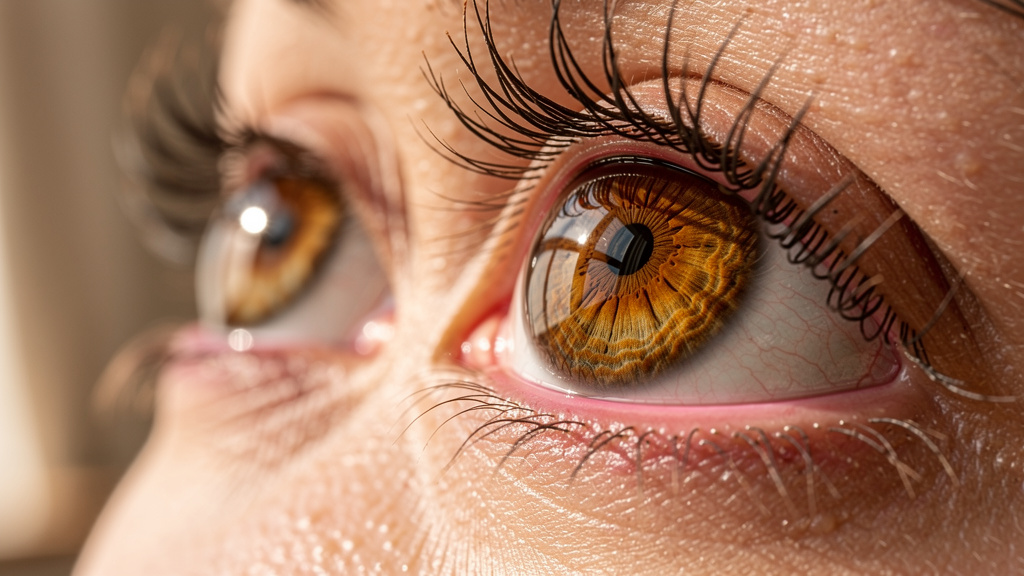
Gentle eye circles can ease stiffness:
-
Sit upright, relax shoulders.
-
Look up, then slowly move your gaze in a circle to the right, down, left, and back up.
-
Do 5–10 slow circles, then reverse direction.
Stop if you feel dizzy or uncomfortable. The movement should feel smooth and relaxed.
The 20-20-20 Rule For Digital Eye Strain
For anyone using screens:
-
Every 20 minutes, look at something 20 feet away for at least 20 seconds.
This gives the focusing system a short rest, helping prevent headaches, burning eyes, and blurred vision after long work sessions. Many people set an alarm until it becomes a habit.
Palming For Eye Relaxation

Palming gives deep rest to tired eyes:
-
Rub your palms together until they feel warm.
-
Close your eyes and cup your hands over them without pressing.
-
Breathe slowly and stay in this darkness for 2–3 minutes.
This practice calms both the eye muscles and the nervous system, especially after long hours of reading or computer work.
Conscious Blinking Exercise
Screen use reduces blink rate, which dries the eyes:
-
Blink quickly 10–15 times.
-
Then close your eyes gently for about 20 seconds.
-
Repeat a few times a day.
Conscious blinking spreads the tear film evenly, easing dryness and irritation.
Nutritional Strategies For Optimal Eye Health

Food cannot remove glasses, but it supports the retina, lens, and tear film and slows age-related damage. For anyone interested in natural ways to improve eyesight, the plate is a good starting point.
Essential Vitamins For Vision
Key vitamins include:
-
Vitamin A – supports low-light vision and the surface of the eye.
-
Sources: carrots, sweet potatoes, pumpkin, spinach, kale, liver.
-
-
Vitamin C – powerful antioxidant, supports retinal blood vessels.
-
Sources: citrus fruits, amla, bell peppers, guava, papaya.
-
-
Vitamin E – protects cells from oxidative stress.
-
Sources: almonds, sunflower seeds, hazelnuts, avocados.
-
Regularly including these foods helps maintain overall eye health and comfort.
Omega-3 Fatty Acids And Healthy Fats
Omega-3s, especially DHA and EPA, are important for the retina and a stable tear film:
-
Fish sources: salmon, sardines, mackerel, tuna (2–3 times a week).
-
Plant sources: flaxseeds, chia seeds, walnuts (for vegetarian diets).
Adequate omega-3 intake is linked with better comfort in dry eye and may help protect against age-related macular changes.
Antioxidants And Eye-Protective Compounds
Several plant compounds offer targeted support:
-
Lutein and zeaxanthin – in spinach, kale, and other leafy greens; they concentrate in the macula and help filter blue light.
-
Beta-carotene – in carrots, sweet potatoes, and pumpkin; converts to vitamin A.
-
Anthocyanins – in blueberries, blackberries, and grapes; support retinal blood vessels.
A colorful plate with different fruits and vegetables each day naturally brings these eye-friendly nutrients together.
Lifestyle Modifications For Better Vision
Even the best eye exercises cannot fully compensate for poor daily habits. Small, steady changes in routine can reduce strain and help keep vision comfortable.
Optimizing Your Screen Time And Digital Habits
To protect your eyes while using screens:
-
Follow the 20-20-20 rule.
-
Keep the monitor about 50–65 cm from your eyes, with the top of the screen slightly below eye level.
-
Use good room lighting to avoid glare.
-
Increase font size and contrast to a comfortable level.
-
Limit intense screen use in the last hour before bed.
These steps ease digital eye strain and neck and shoulder tension.
Prioritizing Quality Sleep For Eye Recovery
During sleep, the tear film resets and the retina recovers:
-
Aim for 7–8 hours of regular, good-quality sleep.
-
Keep your bedroom dark, cool, and free of bright screens.
-
Add a short wind-down routine such as deep breathing or light stretching.
Poor sleep is linked with dry eyes, twitching eyelids, and blurred vision on waking.
Maintaining Proper Posture And Reading Habits
Good posture reduces extra stress on the eyes:
-
Sit with your back straight, feet flat, and shoulders relaxed.
-
Keep reading material about 35–40 cm from your eyes.
-
Use steady overhead or side lighting; avoid reading in dim light or lying down.
An ergonomic workspace supports both spinal health and easier focusing.
Protecting Eyes From Environmental Factors
Everyday surroundings affect the eyes:
-
Outdoors, wear 100% UVA/UVB-blocking sunglasses and a hat in strong sun.
-
Indoors, avoid direct air from fans, AC vents, or heaters on your face.
-
Use protective goggles in dusty or chemical-heavy environments.
These steps reduce the risk of irritation, dryness, and long-term sun damage.
Traditional And Home Remedies For Eye Support
Across cultures, families pass down home remedies for eyesight. Many are calming and can offer mild relief, but they do not replace medical care or correct strong refractive errors.
Treat home remedies as comfort tools, not as a cure for spectacle power.
Anyone with existing eye disease, recent surgery, or sudden vision changes should speak with an ophthalmologist before trying new practices.
Water-Based Therapies
Water can gently refresh the eye area:
-
Splash cool, clean water on closed eyes in the morning and evening.
-
Some traditions recommend storing water in a copper vessel; if used, it should be clear and handled with clean hands.
Avoid washing the eyes directly if there is any redness, discharge, or after surgery, as this may disturb healing.
Herbal Remedies And Natural Eye Drops
Commonly used traditional supports include:
-
Sterile rose water labeled safe for eye use – a few drops can feel cooling for mild irritation.
-
Amla (Indian gooseberry) – taken as juice or powder mixed with water, valued for its vitamin C.
-
Triphala – often taken internally to support general health and digestion.
-
A light massage of pure ghee around (not inside) the eyelids at night, in some households, for relaxation.
If you notice burning, redness, or blurred vision after any remedy, stop it and see an eye doctor promptly.
Other Traditional Practices
Some whole-body practices are linked with eye comfort:
-
Walking barefoot on dewy grass in the morning can feel calming and gets you outdoors away from screens.
-
Mixtures of ground almonds, fennel seeds, and rock sugar with warm milk are used in some homes for their nutrients.
One practice that must be avoided is looking directly at the sun.
At Vision Eye Centre, doctors strongly advise against sun gazing. Even brief direct viewing can permanently damage the retina.
Understanding The Limitations Of Natural Methods
Natural methods appeal because they sound gentle and risk-free, but they have clear limits.
They cannot:
-
Shorten an elongated eyeball in myopia
-
Change a flat or highly curved cornea
-
Reverse age-related stiffening of the lens in presbyopia
So far, no strong peer-reviewed studies show that exercises, special diets, or home remedies can fully reverse moderate to severe refractive errors.
Some conditions require medical care, such as:
-
High or fast-progressing myopia
-
Cataracts
-
Glaucoma
-
Retinal tears or degeneration
Delaying proper treatment while trying unproven methods can risk permanent damage.
As many clinicians put it, "natural care is an excellent partner, but a poor substitute, for medical treatment."
Regular comprehensive eye exams remain essential, even for people who are very disciplined with natural routines. At Vision Eye Centre, doctors focus on clear, honest guidance so patients understand what natural steps can support and where medical care is needed.
Advanced Surgical Options For Permanent Vision Correction
For many people, the goal is clear: support natural eye health, yet also enjoy life without depending on glasses. When natural methods are not enough, modern procedures offer predictable, long-term correction.
At Vision Eye Centre, under the leadership of Prof. Dr. A.K. Grover and a team of fellowship-trained specialists, patients can choose from advanced technologies such as LASIK, SMILE, ICL, and premium cataract surgery in high-standard modular operating theaters.
LASIK: The Gold Standard In Vision Correction
LASIK is widely trusted for correcting myopia, hyperopia, and astigmatism. Vision Eye Centre performs Advanced Customized Blade-Free iLASIK using the STAR S4 IR Lasik Laser with iDesign wavefront-guided planning.
-
A femtosecond laser creates a precise corneal flap.
-
An excimer laser reshapes the cornea so light focuses correctly on the retina.
The procedure usually takes under 15 minutes for both eyes, with quick recovery and very high satisfaction rates.
SMILE: Minimally Invasive Vision Correction
SMILE (Small Incision Lenticule Extraction) corrects myopia and astigmatism through a tiny opening of just a few millimeters:
-
A laser creates a thin, lens-shaped piece of tissue inside the cornea.
-
This tissue is removed through a small incision, changing the corneal shape.
Because there is no large flap, the cornea keeps more of its natural strength, and many patients report less dry eye after the procedure.
Implantable Contact Lens (ICL) Surgery
When corneas are thin or prescriptions are very high, Implantable Contact Lens (ICL) surgery is often a strong option. A soft, biocompatible lens is placed inside the eye, in front of the natural lens:
-
Especially helpful for moderate to severe myopia in adults between about 21 and 45 years.
-
The natural lens remains, so some focusing ability is preserved.
-
The lens can be removed or changed later if needed.
Large studies show that more than 96% of ICL patients reach 20/40 vision or better after a year, with stable results over time.
Premium Cataract Surgery With Multifocal IOLs
For adults over 50, cataracts are a common cause of cloudy vision. Modern cataract surgery can also correct refractive errors.
At Vision Eye Centre, cataract services are led by Dr. Tushar Grover, using:
-
IOL Master 500 for precise measurements
-
CENTURION VISION SYSTEM for gentle phacoemulsification
Patients can choose from:
-
Monofocal IOLs – sharp distance vision, reading glasses usually needed
-
Multifocal or trifocal IOLs – distance, intermediate, and near vision
-
Toric IOLs – for astigmatism correction
The right lens choice can mean clear vision at multiple distances with minimal dependence on glasses.
Vision Eye Centre's Comprehensive Diagnostic Approach
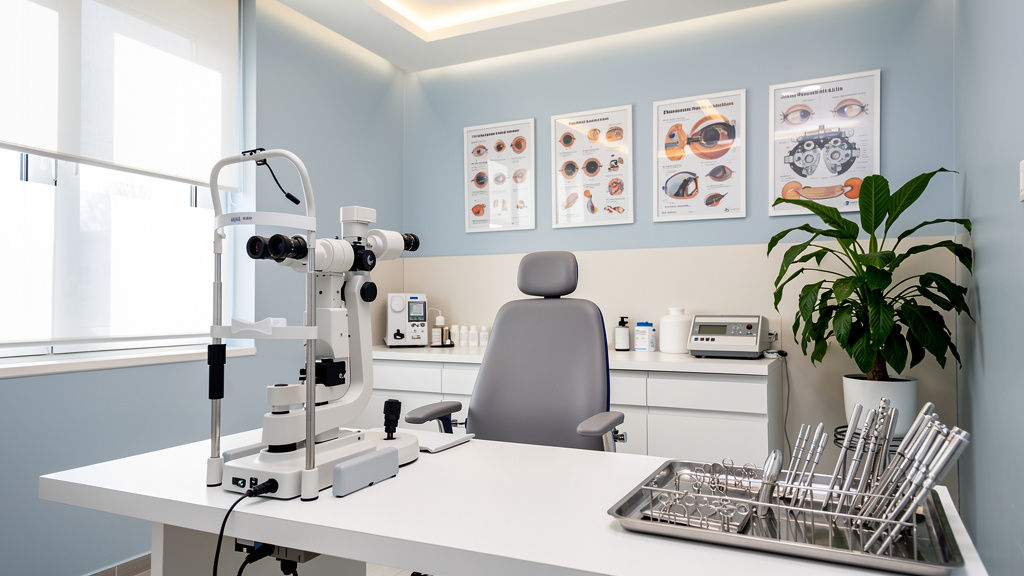
Safe vision correction starts with a careful understanding of each eye. At Vision Eye Centre, every patient considering LASIK, SMILE, ICL, or premium cataract surgery undergoes a detailed evaluation before any procedure is advised.
Typical assessments include:
-
Slit-lamp examination of the cornea, lens, and eyelids
-
Retinal examination to check the back of the eye
-
Tonometry to measure eye pressure
-
Optical Coherence Tomography (OCT) for retina and optic nerve
-
Keratometry and biometry (often with IOL Master 500) to measure eye length and corneal curvature
-
Corneal topography (e.g., Oculus PENTACAM) and pachymetry to map corneal shape and thickness
Based on these findings, doctors explain which procedures suit your eyes, what to avoid, and what level of vision you can reasonably expect, followed by planned post-operative checks.
Making The Right Choice For Your Vision
Choosing between natural methods and surgery is personal. Key points to consider include:
-
Degree of refractive error – mild prescriptions may be manageable with part-time glasses and lifestyle changes; higher powers often benefit more from procedures like LASIK, SMILE, or ICL.
-
Age and life stage – children need proper glasses for normal development; adults over 40 must factor in presbyopia and possible cataracts.
-
Lifestyle needs – driving at night, sports, and certain professions may demand clearer unaided vision.
-
Time and risk comfort – natural methods require long-term discipline with uncertain prescription change; surgery involves short-term recovery with well-studied outcomes.
At Vision Eye Centre, consultations are detailed and pressure-free. Doctors explain all suitable options, including cases where surgery is not advised, so you can choose what best supports your long-term eye health and daily life.
Conclusion
The wish to discover How to Remove Specs Permanently Naturally Without Surgery is very understandable. Natural steps – eye exercises, smart nutrition, better sleep, and healthier screen habits – can ease strain and support comfortable sight for years.
However, they do not reshape the cornea, change eye length, or reverse age-related lens changes. For people who want reliable, lasting independence from glasses or contact lenses, procedures such as LASIK, SMILE, ICL, and premium cataract surgery provide tested, predictable results.
With more than 26 years of experience, Vision Eye Centre in Delhi NCR combines skilled doctors, NABH-accredited safety standards, and advanced technology under one roof.
A common saying in eye care is that "the best vision results come when patients are informed, and doctors are honest."
Scheduling a comprehensive eye examination is a simple next step. It can show whether natural care, medical procedures, or a mix of both is the best match for your eyes.
FAQs
Question 1: Can Eye Exercises Really Improve Vision And Reduce Spectacle Power?
Eye exercises can reduce strain, improve coordination between both eyes, and help some children with focusing problems. Many people feel fewer headaches and less tiredness after regular practice.
However, these exercises do not change the length of the eyeball or the basic curve of the cornea, which are the main reasons for most refractive errors. Large, permanent reductions in spectacle power are rare for adults, especially with moderate or high prescriptions.
Question 2: How Long Does It Take To See Results From Natural Vision Improvement Methods?
Most people who benefit notice:
-
Less burning or tiredness after 2–4 weeks of regular exercises, better screen habits, and improved sleep
-
Possible small prescription shifts, if they occur at all, over 3–6 months or longer
For many, the main gain is better comfort and more stable vision during the day, not dramatic changes in power. Regular yearly eye exams help track any real improvements.
Question 3: Is LASIK Surgery Safe, And What Are The Success Rates?
LASIK has been performed worldwide for over three decades and is considered very safe when proper screening and modern equipment are used. Large studies show that around 96% of patients reach 20/40 vision or better, and most reach 20/20 or better.
At Vision Eye Centre, blade-free iLASIK with iDesign planning and advanced laser platforms adds extra precision. Serious complications are uncommon when only suitable candidates move ahead after complete testing.
Question 4: What Is The Best Age To Consider Laser Eye Surgery?
Laser procedures such as LASIK or SMILE are usually considered from age 18 onwards, but the mid-20s or later are often ideal, once the prescription has been stable for at least 1–2 years.
There is no strict upper age limit, but after about 40, presbyopia and early cataract changes must be factored in. Some people over 45 may benefit more from ICL or premium cataract surgery with multifocal or trifocal IOLs instead of standard LASIK. A detailed check at Vision Eye Centre helps decide the right timing and method.
Question 5: Are There Any Natural Remedies That Can Permanently Cure Nearsightedness?
No natural remedy has been proven in scientific studies to permanently cure myopia. Nearsightedness usually occurs because the eyeball is slightly longer than normal or the cornea is more curved, and natural methods cannot change that physical structure.
Spending more time outdoors, managing screen use, and using correct glasses can slow worsening in children but do not erase existing myopia in adults. For lasting correction of significant myopia, procedures such as LASIK, SMILE, or ICL surgery remain the reliable options offered at Vision Eye Centre.