
Blurry Vision and Eye Pain: Possible Causes and When to Seek Help
Feb 26, 2026
Blurry Vision and Eye Pain: Possible Causes and When to Seek Help
Blurry vision accompanied by eye pain is never a minor annoyance. It is often a warning sign that something is wrong with your visual system, and ignoring it can lead to long-term damage or even permanent vision loss. While many people assume it is due to fatigue or screen overuse, the reality can be far more serious. Understanding the possible causes and knowing when to seek medical attention is essential to prevent irreversible harm.
Why Blurry Vision with Eye Pain Should Not Be Ignored
Blurry vision alone can occur for simple reasons such as dryness or refractive errors. However, when pain is added to the picture, it often indicates inflammation, pressure changes inside the eye, nerve involvement, or injury. These issues can worsen rapidly if left untreated.
Delaying evaluation can lead to:
-
Progressive vision deterioration
-
Chronic eye damage
-
Increased risk of glaucoma-related blindness
-
Permanent optic nerve injury
-
Complications that require surgical intervention
In many cases, people dismiss early symptoms and only seek help when vision has already been significantly compromised.
Common but Concerning Causes
1. Severe Eye Strain and Digital Fatigue
Prolonged exposure to screens can cause dryness, strain, and temporary blurring. While this might seem harmless, persistent strain can lead to chronic discomfort and visual instability. Repeated neglect of symptoms may contribute to worsening dry eye syndrome and visual fatigue that interferes with daily functioning.
2. Migraines with Visual Aura
Migraines often present with throbbing eye pain and temporary blurry or distorted vision. Though usually reversible, recurrent episodes should not be taken lightly, as they may indicate neurological sensitivity or underlying vascular triggers.
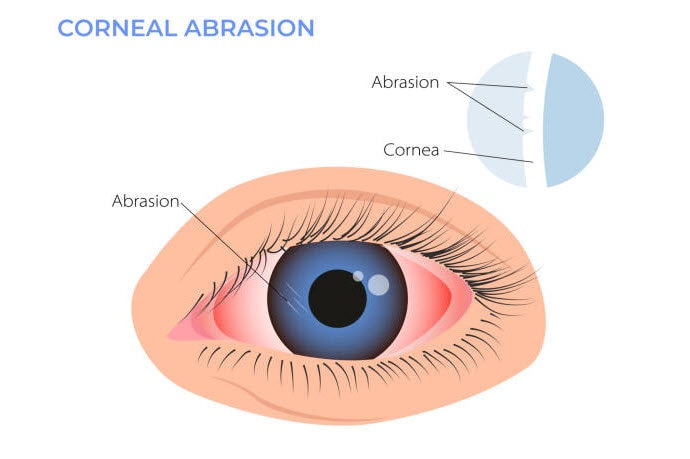
3. Corneal Abrasion or Injury
Even a minor scratch on the cornea can cause intense pain, tearing, and blurred sight. If untreated, abrasions can become infected, potentially leading to corneal ulcers and permanent scarring.
4. Glaucoma
Acute glaucoma is a dangerous condition that causes severe eye pain, headache, halos around lights, and blurred vision. It is a medical emergency; untreated pressure buildup inside the eye can damage the optic nerve within hours.
Serious Medical Causes That Require Immediate Attention
1. Optic Neuritis
This is inflammation of the optic nerve and often presents with painful eye movements and sudden blurry vision. It may be associated with neurological conditions and should never be ignored, as delayed treatment can result in lasting vision impairment.
2. Uveitis
Uveitis involves inflammation inside the eye and can cause redness, sensitivity to light, pain, and blurred vision. Chronic untreated uveitis can lead to cataracts, glaucoma, or retinal swelling.
3. Retinal Detachment
Blurred vision combined with pain, flashes of light, or floaters may indicate retinal detachment. This condition progresses quickly and, if untreated, may result in permanent blindness in the affected eye.
4. Eye Infections
Bacterial, viral, or fungal infections can trigger swelling, discharge, severe discomfort, and blurred sight. Infections left untreated can spread deeper into ocular tissues, causing irreversible damage.

Warning Signs That Demand Immediate Medical Help
Ignoring symptoms can be dangerous. Seek urgent medical evaluation if blurry vision and eye pain are accompanied by:
-
Sudden vision loss or dark curtain over vision
-
Severe headache with nausea
-
Light sensitivity or halos around lights
-
Eye redness with intense discomfort
-
Double vision or difficulty focusing
-
Pain worsening with eye movement
These signs often indicate a serious underlying condition rather than simple fatigue or refractive error.
Why Self-Diagnosis Is Risky
Many people attempt home remedies, eye drops, or rest without understanding the cause. This approach can delay accurate diagnosis and worsen outcomes. For example:
-
Using incorrect eye drops can aggravate infections
-
Ignoring glaucoma symptoms can cause irreversible nerve damage
-
Delayed treatment of retinal problems can permanently reduce vision
-
Misinterpreting neurological symptoms as simple eye strain can mask serious disease
Self-treatment may provide temporary relief but often fails to address the root problem, allowing the condition to progress silently.
When to Seek Professional Help
You should not wait for symptoms to “settle on their own.” Medical evaluation is essential if:
-
Symptoms persist beyond 24–48 hours
-
Pain is moderate to severe
-
Vision changes interfere with daily tasks
-
Episodes occur repeatedly
-
There is any associated trauma or infection
Early detection is the only way to prevent long-term visual disability.
FAQs
Q1. Can eye strain alone cause both blurry vision and pain?
Yes, but persistent symptoms usually indicate a deeper issue such as dryness, inflammation, or uncorrected refractive error. Chronic neglect can worsen the condition.
Q2. Is blurry vision with eye pain always an emergency?
Not always, but it should be treated seriously. Sudden onset or severe symptoms require urgent medical attention to prevent permanent damage.
Q3. Can infections lead to permanent vision problems?
Yes. Untreated eye infections can damage the cornea or internal eye structures, potentially causing lasting visual impairment.
Q4. How do I know if it is glaucoma or just eye strain?
Glaucoma often includes severe pain, headache, halos around lights, and rapid vision changes, unlike simple strain. Only a clinical examination can confirm the cause.
Q5. Will symptoms go away without treatment?
Sometimes mild cases resolve, but relying on this is risky. Many serious conditions worsen silently before causing irreversible harm.
Conclusion
Blurry vision with eye pain is not a symptom that should be underestimated. It often signals underlying inflammation, pressure changes, injury, or neurological involvement. Ignoring these warning signs can lead to severe and permanent visual consequences.