How Digital Devices Are Increasing Stress On Eyes
Dec 18, 2025
Picture a normal weekday. The alarm rings on your phone, you skim the news on a tablet, work on a laptop, and end the day with a web series on a smart TV. This routine shows how digital devices pile stress on eyes for millions of people, often without them realising it.
Research from India suggests many professionals and students spend more than seven hours a day on screens. Between 50–90% of regular computer users report symptoms of digital eye strain, also called computer vision syndrome. Dryness, blurred vision, burning, eye strain headache and neck pain have become as common as tea breaks at home and in offices.
Post-pandemic hybrid work, online classes, mobile banking and video calls mean screen time is now built into life. Children study on tablets, young adults build careers on laptops, and older adults read on phones because of presbyopia. Left unaddressed, digital eye fatigue can lower productivity, disturb sleep and aggravate existing eye problems.
This article explains what digital eye strain is, how to spot it, what causes it, and practical ways to protect your eyes. As a NABH-accredited centre in Delhi led by Padma Shri awardee Dr A. K. Grover and a team of specialists, Vision Eye Centre offers advanced diagnostics and personalised care for screen-related eye issues.
As eye-care experts often say, "You only get one pair of eyes—treat them as carefully as you treat your heart."
Key Takeaways
-
Long hours on phones, laptops and TVs overwork the eyes, causing digital eye strain with symptoms such as dryness, blurred vision, headaches and neck pain. Early recognition helps prevent long-term discomfort.
-
Digital eye strain arises from combined factors: blue light, reduced blinking, poor posture, uncorrected spectacle numbers and dry indoor air. Tackling each of these gives better relief.
-
Simple habits like the 20-20-20 rule, conscious blinking, correct monitor placement and regular breaks can ease screen eye strain within days.
-
When home care is not enough, Vision Eye Centre in Delhi provides detailed tests, task-specific eyewear, dry eye treatment and management of underlying conditions to make screen use more comfortable.
Understanding Digital Eye Strain: What It Is And Why It Matters

Digital eye strain is a group of eye and vision problems that appear after long use of computers, smartphones, tablets and e-readers. It is not a single disease but a mix of symptoms that signal an overworked visual system from constant near focus and bright screens.
Screens are harder to view than printed pages. Text on paper has sharp edges and strong contrast. On a screen, letters are made of pixels with softer edges and lower contrast. Glare from lights or windows and reflections from glossy displays add to the effort, forcing the eyes to keep refocusing.
Even two hours of continuous daily screen time can raise the risk of symptoms. Studies suggest that up to 73% of adults under 30 report issues related to computer or phone use. Office workers, gamers, designers, coders and students who sit for long hours at laptops or desktops often have high levels of eye fatigue from computer work. Older adults with presbyopia may struggle even more.
In a technology-driven economy like India, this has become a public health concern. Screen time eye health now affects work performance, learning in children and comfort for senior citizens. Many people dismiss eye strain as simple tiredness, yet it can worsen problems such as dry eye, glaucoma or retinal disease.
At Vision Eye Centre, doctors go beyond asking how long you use screens. When needed, they use Optical Coherence Tomography (OCT), Corneal Topography and Specular Microscopy to study the eye surface, cornea and retina. This helps confirm whether screens alone are causing discomfort or if deeper issues also need attention.
Recognising The Warning Signs: Comprehensive Symptoms Of Digital Eye Strain
Digital eye strain can affect the eyes, vision and even the neck and back. Recognising these patterns makes it easier to link everyday screen habits to how your body feels.
Doctors often group symptoms of digital eye strain into three categories:
-
Ocular symptoms – physical discomfort on or around the eye
-
Visual symptoms – changes in clarity and focus
-
Extraocular symptoms – headaches, neck pain and behaviour changes
Ocular Symptoms: Direct Eye Discomfort
Ocular symptoms are often the first to appear during long screen sessions. Common complaints include:
-
Dry, itchy or burning eyes
-
Redness and a feeling of heaviness around the eyes
-
A gritty or “sand in the eye” sensation
-
Watery eyes that still feel dry between episodes
These problems arise because people blink far less while staring at screens, so the tear film dries out and becomes patchy. A steady ache around the eyes, especially by evening, points to tired eye muscles. If these sensations appear mainly after screen use, they strongly suggest digital eye fatigue.
Visual Symptoms: Changes In Sight Quality
Visual symptoms relate to how clear and stable your sight feels through the day. People often notice:
-
Blurred vision after reading on a laptop or phone
-
Intermittent double vision after intense work
-
Slow or uncomfortable focus changes when looking from screen to distance
-
Light sensitivity to overhead LEDs or sunlight
These signs show strain in the focusing system, even if the eye structure itself is healthy.
Extraocular Symptoms: Beyond The Eyes
Digital eye strain also affects areas beyond the eyeball. Typical complaints include:
-
Band-like headaches across the forehead or temples
-
Neck, shoulder and back pain from slouching or bending over devices
-
In children: frequent eye rubbing, irritability after online classes, poor attention and sitting very close to screens
When several of these symptoms keep returning, a detailed check-up at Vision Eye Centre is a sensible next step.
The Root Causes: Why Digital Devices Strain Your Eyes
Digital devices stress the eyes for several reasons: screen design, muscle behaviour, spectacle power and room environment all play a part. Many people blame only blue light or brightness, but the real picture is wider.
Key factors include:
-
Fewer and incomplete blinks that destabilise the tear film
-
Constant near focus that tires the ciliary muscle
-
Dry indoor air from air-conditioning
-
Small, uncorrected spectacle numbers that make text harder to read
Understanding these factors helps explain why two people with similar screen time can feel very different levels of strain.
Device And Display Factors
The screen itself affects how hard your eyes work:
-
Modern devices emit high-energy blue light. Normal use is unlikely to cause sudden retinal damage, but late-night exposure can disturb sleep by lowering melatonin levels.
-
Low-resolution screens, poor contrast and subtle flicker can cause headaches and a sense of eye strain from screens.
-
Glare from windows, glossy displays and harsh overhead lights forces the pupils to constrict, making reading tiring.
Physiological And Visual Demands
The body responds differently to screens than to printed pages:
-
Normal blink rate is 15–22 times per minute; during intense screen work it may drop to 4–6, and many blinks are incomplete. Parts of the eye surface dry out, causing irritation.
-
Continuous near focus keeps the ciliary muscle contracted, leading to fatigue and temporary blur.
-
Phones held at 30 cm or less require strong convergence of the eye muscles, which can trigger discomfort or intermittent double vision.
Pre-Existing Vision Problems
Any hidden or uncorrected refractive error magnifies digital eye strain:
-
Even mild astigmatism (0.5–0.75 dioptres) can make text appear less sharp, leading to squinting or leaning closer.
-
Presbyopia after 40 years makes near focus harder. Many people delay reading glasses and rely on larger fonts or longer viewing distances, which stresses intermediate ranges like computer distance.
-
Binocular vision issues, such as convergence insufficiency, may remain unnoticed until long screen hours bring them out.
At Vision Eye Centre, comprehensive eye examinations look beyond the basic eye number to identify these subtle factors so that computer screen eye protection can be planned sensibly.
How Different Devices Impact Your Eyes Differently
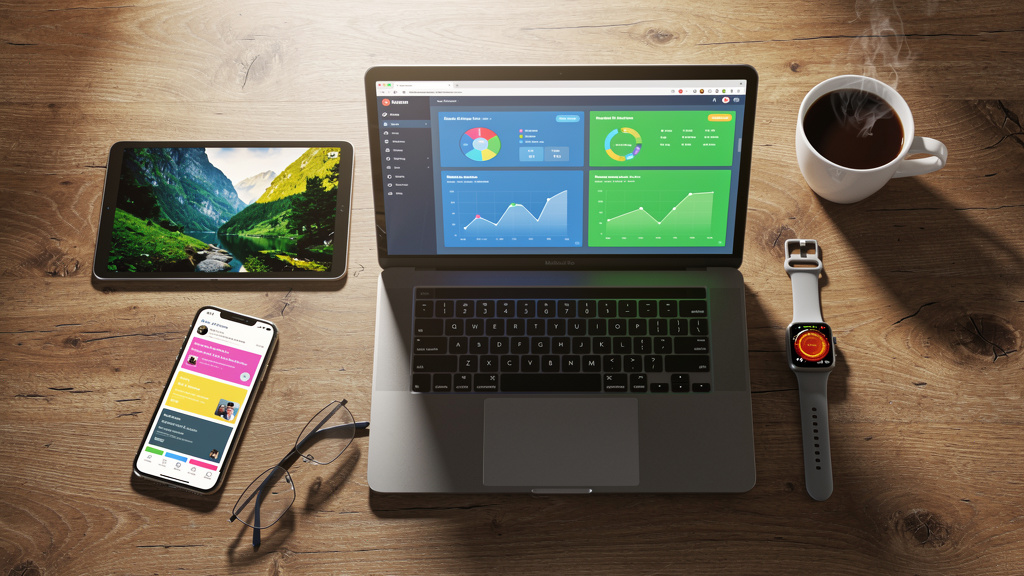
Not all screens affect your eyes in the same way. A desktop monitor, smartphone and television each place different demands on your visual system.
Understanding these differences helps you adjust habits more precisely instead of using a one-size-fits-all approach.
Computer Monitors: The Occupational Challenge
For many office workers, students, programmers and designers, desktop and laptop screens dominate the workday. Six to nine hours of monitor time is common, often with few breaks.
Main triggers for laptop eye strain and computer fatigue include:
-
Screens placed too close or too high
-
Poor lighting with reflections and glare
-
Long stretches of intense focus with very few blinks
At Vision Eye Centre, doctors often prescribe computer-specific spectacles or office lenses that give a wide, clear view at typical monitor distances to ease these occupational demands.
Smartphones: The Constant Companion
Smartphones are used across all age groups for messaging, videos, social media and reading. They typically sit much closer to the face than computer screens, which:
-
Increases focusing and convergence demand
-
Encourages poor posture with bent neck and rounded shoulders
-
Promotes late-night use in dark rooms with bright screens
For children, heavy daily phone use can affect comfort, attention and learning. Vision Eye Centre’s Paediatric Ophthalmology team regularly advises parents on safe screen habits and digital eye strain prevention in children.
Televisions And Large Screens: The Entertainment Factor
Large TVs and gaming monitors are central to home entertainment. Binge-watching or long gaming sessions create:
-
Extended periods of steady gaze with very few breaks
-
High contrast between bright screens and dark rooms
-
Possible tear film instability, especially with ultra-high-definition displays
Simple steps such as keeping a soft light on in the room, sitting at a proper distance and taking short pauses between episodes can already ease this form of screen stress.
Proven Strategies To Protect Your Eyes: Prevention And Relief
The encouraging news is that digital eye strain usually improves with simple daily habits and sensible workspace adjustments. You do not need expensive gadgets, just consistent care.
A common reminder in eye clinics is, "Your screen habits matter as much as your screen settings."
Think of these methods as part of basic hygiene for screen time eye health.
The 20-20-20 Rule: Your First Line Of Defence
The 20-20-20 rule is an easy, science-backed habit:
-
Every 20 minutes
-
Look at something at least 20 feet (about 6 metres) away
-
For 20 seconds
This brief pause allows the ciliary muscle to relax, easing accommodative stress and reducing blur and aching eyes. Setting reminders on phones or using computer apps makes this habit easier to follow.
Master The Art Of Conscious Blinking
Reduced blinking is central to dry eyes from screen time. To improve blink quality:
-
Every few minutes, pause and close your eyes fully for 2 seconds, open, close again for 2 seconds, then gently squeeze shut for another 2 seconds.
-
Repeat this short exercise a few times during long tasks.
-
Place a small note with the word “Blink” near your monitor as a reminder.
This simple routine helps spread tears evenly and stimulates the glands that maintain a healthy tear film.
Optimise Your Device Settings
Small adjustments in device settings can greatly improve comfort:
-
Match screen brightness to room lighting—neither like a lamp nor so dim that you strain.
-
Increase font size instead of leaning forward or squinting.
-
Use reading or night modes that shift the colour temperature to a warmer tone in the evening.
-
Try dark mode in low light if it feels comfortable (it does not suit everyone).
Experiment with these options to find settings that best support your computer screen eye protection.
Schedule Regular Breaks And Vary Your Tasks
Short visual breaks are helpful, but longer pauses also matter:
-
After about two hours of continuous computer use, aim for a 15-minute change of activity.
-
During these breaks, stand, stretch, walk, make calls away from the screen or talk face-to-face instead of messaging.
Changing posture and task type reduces strain on the focusing system and helps neck, shoulders and back recover.
Create An Eye-Friendly Workspace

An eye-friendly setup supports both posture and vision:
-
Keep the monitor about 50–70 cm (arm’s length) from your eyes.
-
Place the top of the screen at or slightly below eye level so your gaze is gently downward.
-
Tilt the top of the screen slightly away to reduce reflections.
-
Use a chair that supports the natural curve of the spine, with feet flat on the floor or on a footrest.
-
Position windows to the side of the monitor and control sunlight with curtains or blinds.
-
In air-conditioned rooms, avoid air vents blowing directly onto your face; consider a humidifier if the air feels very dry.
If your monitor has a shiny surface, an anti-glare filter can further reduce screen eye strain.
Advanced Care: When Basic Measures Aren’t Enough
For many people, the habits above bring clear relief. Some, however, continue to experience significant discomfort, dryness or blur despite doing the right things. In these cases, deeper issues such as chronic dry eye, uncorrected refractive error or binocular vision problems may be present.
This is where expert care at Vision Eye Centre makes a real difference, combining accurate diagnosis with targeted treatment for long-term comfort.
Managing Chronic Dry Eye Syndrome

Chronic dry eye disease is common among heavy screen users, especially in air-conditioned workplaces and polluted cities. Management often includes:
-
Lubricating eye drops (preferably preservative-free for frequent use)
-
Thicker gels or ointments at night for longer relief
-
Warm compresses over closed lids for 5–10 minutes, followed by gentle massage of the lid margins
-
Good eyelid hygiene for conditions like blepharitis and meibomian gland dysfunction
-
Diet rich in omega‑3 fatty acids and antioxidants (fish oil, walnuts, blueberries, carrots, bell peppers)
-
Avoiding smoking, which dries and irritates the eyes
Specialists at Vision Eye Centre design treatment plans that match each person’s symptoms, work style and medical history.
Specialised Eyewear For The Digital Age
Standard spectacles are usually set either for distance or close reading, not the mid-range typical of computer work. Helpful options include:
-
Computer-specific prescriptions focused on 50–70 cm for monitor viewing
-
Office or computer lenses with a wide intermediate zone for screens and a near zone for documents
-
Anti-fatigue lenses that give a small power boost in the lower part to support near work
-
Anti-reflection coatings to cut reflections and improve clarity
-
Blue light filtering lenses, which some people find helpful for comfort and sleep, especially in the evening
At Vision Eye Centre, optometrists and ophthalmologists work together to recommend task-specific eyewear based on detailed examination and your daily routine.
Correcting Underlying Vision Issues
Sometimes proper glasses are only part of the answer. Additional measures can include:
-
Precise correction of myopia, hyperopia and astigmatism, including small errors
-
Refractive surgery options such as LASIK or other advanced corneal procedures using femtosecond laser technology, where suitable
-
Vision therapy exercises for binocular vision problems like convergence insufficiency
Advanced tools like OCT, Corneal Topography and Specular Microscopy help Vision Eye Centre specialists assess the cornea, lens and retina accurately, supporting precise care plans so underlying issues do not keep feeding digital eye strain.
When To Seek Professional Eye Care: Recognising The Need For Expert Help
Self-care is a good start, but it does not replace professional advice. Ignoring persistent symptoms can allow minor issues to grow into bigger problems that affect work, study and daily life.
An ophthalmologist can separate simple digital eye fatigue from conditions like glaucoma, cataract, retinal disease or severe dry eye. This is especially important for:
-
Adults over 40
-
Children with heavy online learning
-
Anyone with diabetes, hypertension or strong family history of eye disease
Warning Signs That Require Professional Evaluation
You should seek expert care if:
-
Headaches, blurred vision, double vision or eye pain continue despite good habits
-
Symptoms disturb sleep, reduce work performance or force frequent breaks from study
-
There is any sudden change in vision, such as flashes of light, a curtain-like shadow or sudden double vision
-
Discomfort steadily worsens over weeks instead of improving
In these situations, an appointment at Vision Eye Centre offers timely diagnosis and treatment.
The Value Of Comprehensive Eye Examinations
Regular, detailed eye examinations are an essential part of preventive health, just like checking blood pressure or sugar. A comprehensive check-up can detect:
-
Early signs of digital eye strain
-
Uncorrected refractive errors and presbyopia
-
Binocular vision issues
-
Early stages of glaucoma or retinal disease
At Vision Eye Centre, you can expect careful history-taking about work habits, screen use and symptoms, followed by tests such as:
-
Refraction and intraocular pressure measurement
-
OCT scans
-
Fundus Fluorescein Angiography when needed
-
Optical Biometry and Corneal Topography
Experienced specialists including Dr Apoorv Grover (Vitreo Retinal Surgeon) and Dr Smita Kapoor Grover (Head of Paediatric Ophthalmology) interpret these findings to design personalised care.
As a NABH-accredited hospital, Vision Eye Centre follows strict standards for safety, hygiene and clinical quality. For families in Delhi NCR, regular eye examinations are an important step in keeping screen time eye health under control.
Conclusion
From morning alarms to late-night entertainment, digital devices now occupy many waking hours. The same screens that support work, study and leisure also explain why so many people complain of digital eye strain, dry eyes, headaches and neck pain.
These symptoms are more than “just tiredness”. They signal real stress on the visual system and can worsen conditions like dry eye disease, presbyopia or retinal problems if ignored. The good news is that digital eye strain is usually manageable. Habits such as the 20-20-20 rule, better blinking, sensible device settings, regular breaks and an eye-friendly workspace go a long way.
When these steps are not enough, specialised eyewear, dry eye treatment, refractive correction and vision therapy can make screen use far more comfortable. Vision Eye Centre in Delhi brings together advanced technology, experienced specialists and patient-focused care to support people of all ages facing screen-related eye problems.
Your eyes are irreplaceable—treat them with the same care you give to the devices you use every day.
FAQs
FAQ 1: What Is The 20-20-20 Rule And Does It Really Work?
The 20-20-20 rule means that after every 20 minutes of screen use, you look at something at least 20 feet (about 6 metres) away for 20 seconds. This pause lets the ciliary muscle relax and reduces focusing stress. Clinical experience and research support it as a first-line method against digital eye strain. Setting alarms or using reminder apps helps make this part of your normal routine.
FAQ 2: Can Blue Light From Screens Permanently Damage My Eyes?
Researchers are still studying long-term effects of blue light from screens. Current evidence shows that late-night exposure can disturb sleep by lowering melatonin. Laboratory studies using very high doses of blue light suggest potential retinal stress, but these levels exceed normal screen use. Even so, blue light may add to discomfort. Using night modes, limiting late-night screen time and, when advised, blue light filtering lenses from centres such as Vision Eye Centre are sensible protective steps.
FAQ 3: Do I Need Special Computer Glasses If I Already Wear Prescription Glasses?
Standard glasses are usually designed either for distance or for reading at about 40 cm. Computer monitors often sit 50–70 cm away, so ordinary glasses may not give the clearest view and can increase strain. Computer-specific prescriptions, office lenses, anti-fatigue lenses and anti-reflection coatings can all make extended screen work more comfortable. A detailed evaluation at Vision Eye Centre can show whether task-specific eyewear would help you.
FAQ 4: How Do I Know If My Child’s Screen Time Is Damaging Their Eyes?
Warning signs in children include:
-
Frequent eye rubbing or blinking
-
Squinting or sitting very close to the TV
-
Headaches, blurred vision or poor attention during online classes
-
Irritability after screen use
Children’s visual systems are still developing, so heavy screen exposure without breaks can affect comfort and learning. Parents can help by limiting recreational screen time, encouraging outdoor play and teaching the 20-20-20 rule early. Regular paediatric eye examinations at Vision Eye Centre, led by specialists such as Dr Smita Kapoor Grover, help detect problems early.
FAQ 5: When Should I See An Eye Doctor About Digital Eye Strain?
You should see an eye doctor if dryness, blurred vision, double vision or headaches continue despite following self-care steps for several weeks. Seek prompt care if symptoms interfere with work, study or daily tasks, or if there are sudden changes in vision. Progressive worsening, rather than steady improvement, is another warning sign. Regular comprehensive eye check-ups at Vision Eye Centre provide accurate diagnosis and personalised treatment plans, including specialised eyewear, dry eye care and, when required, advanced procedures in a NABH-accredited setting.