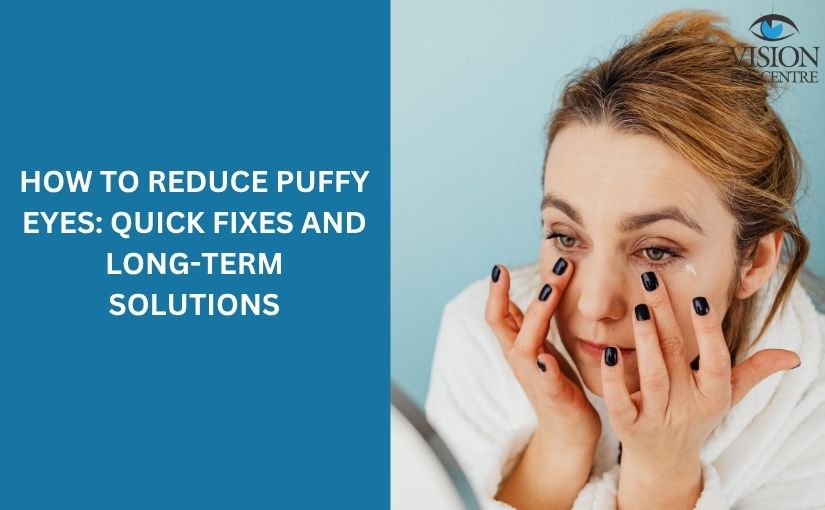
Reduce Puffy Eyes Fast: Quick Fixes & Home Remedies for Swelling
Mar 23, 2026
How to Reduce Puffy Eyes: Quick Fixes and Long-Term Solutions
Waking up with swollen, puffy eyes is something almost every Indian has experienced — and it's one of the most common cosmetic eye complaints our patients bring to Vision Eye Centre. Whether it's from a late night, crying, allergies, or poor diet, puffy eyes can make you look tired, older, and unwell. The good news? Most cases of eye puffiness are very manageable once you understand the cause.
In this guide, we cover everything you need to know about how to reduce puffy eyes — from quick morning fixes to long-term lifestyle solutions — for both men and women across India.
What Causes Puffy Eyes?
Eye puffiness occurs when fluid accumulates in the tissues around the eye (periorbital area). Common causes include:
- Lack of sleep — the most common cause in India
- Excessive salt intake — Indian food is often high in sodium, leading to fluid retention
- Allergies — dust, pollen, pet dander
- Crying — tears increase periorbital fluid
- Alcohol consumption — causes dehydration and fluid retention
- Thyroid disorders — hypothyroidism can cause significant periorbital swelling
- Kidney disease — fluid retention causes generalised puffiness
- Sinus congestion — very common during monsoon and winter in India
- Ageing — fat pads around the eye shift forward with age
- Eye infections — such as eye flu (conjunctivitis) which causes significant eyelid swelling
Quick Fixes for Puffy Eyes (Morning Solutions)
When you wake up with puffy eyes and need to look presentable fast, these methods provide rapid relief:
1. Cold Compress
This is the most effective immediate remedy. Apply a cold, clean cloth, chilled spoons, or a gel eye mask to closed eyes for 10–15 minutes. The cold constricts blood vessels and reduces fluid accumulation. Keep a gel eye mask in your fridge for regular morning use.
2. Chilled Cucumber Slices
A time-tested Indian home remedy that actually works. Cucumbers have antioxidants and mild astringent properties. Chilled cucumber slices placed on the eyes for 10–15 minutes reduce swelling and refresh the eye area.
3. Cold Green Tea Bags
Green tea contains tannins and caffeine that constrict blood vessels and reduce inflammation. After brewing green tea, chill the tea bags and place them over closed eyes for 10 minutes. This is particularly effective for morning puffiness from lack of sleep.
4. Head Elevation During Sleep
If you frequently wake up with puffy eyes, try sleeping with your head slightly elevated (an extra pillow). This prevents fluid from pooling around the eyes overnight.
5. Gentle Massage
Gently tapping or massaging the under-eye area (ring finger, very light pressure) encourages lymphatic drainage and helps reduce swelling. Use a good eye cream or aloe vera gel during the massage.
6. Reduce Salt Intake the Night Before
Avoiding salty meals, pickles, and papad at dinner significantly reduces morning eye puffiness for people sensitive to sodium.
Long-Term Solutions for Puffy Eyes
If eye puffiness is a regular problem for you, addressing the root cause with lifestyle changes is essential:
1. Prioritise Sleep Quality and Duration
Get 7–8 hours of quality sleep every night. Sleep deprivation is the single biggest cause of chronic eye puffiness in India. It also causes red, bloodshot eyes and eye twitching.
2. Hydration is Key
Drink at least 8–10 glasses of water daily. Paradoxically, dehydration causes the body to retain more fluid (including around the eyes). Staying well-hydrated reduces puffiness.
3. Manage Allergies
If allergies are the root cause of your puffiness, consult an allergist or ophthalmologist. Antihistamine eye drops, nasal sprays, and avoiding allergens can significantly reduce periorbital swelling.
4. Reduce Alcohol and Tobacco
Both alcohol and smoking cause blood vessel dilation and fluid retention, worsening eye puffiness. Reducing or eliminating these habits has a dramatic positive effect on eye appearance.
5. Use a Good Eye Cream
Look for eye creams containing caffeine, retinol, hyaluronic acid, vitamin C, or peptides. These ingredients strengthen the skin around the eye, reduce fluid retention, and improve the appearance of the under-eye area. Apply gently with your ring finger.
6. Protect Against UV Rays
Wear UV-protective sunglasses whenever outdoors. UV damage accelerates skin ageing around the eyes, worsening the appearance of puffiness and contributing to under-eye wrinkles. Also read our guide on how to remove wrinkles under eyes for a comprehensive eye area care plan.
7. Balanced Diet Rich in Antioxidants
Include plenty of cucumber, watermelon, berries, leafy greens, and Vitamin E-rich foods. Reduce processed foods, excess salt, and refined sugars that promote inflammation and fluid retention.
When Is Eye Puffiness a Medical Concern?
While most puffiness is cosmetic and benign, certain presentations require medical evaluation:
- Severe puffiness in only one eye
- Swelling accompanied by redness, pain, or fever
- Puffiness associated with vision changes
- Generalised body swelling (face, legs, ankles) along with eye puffiness — may indicate kidney or heart issues
- Puffiness that worsens progressively over weeks
- Puffiness following eye trauma or injury
- Swelling combined with discharge (may indicate eye infection)
Medical Treatments for Severe or Structural Eye Puffiness
For persistent structural puffiness (caused by age-related fat pad prolapse or skin laxity), medical treatments include:
- Lower blepharoplasty — surgical removal or repositioning of under-eye fat pads. The most effective permanent solution
- Hyaluronic acid fillers — reduces the shadow/hollow effect that makes puffiness more visible (tear trough filler)
- Laser resurfacing — tightens skin around the eye area
- Radio-frequency or ultrasound treatments — non-surgical skin tightening
If you're considering any of these procedures, a comprehensive eye examination — including checking your eye power — is essential before any intervention around the eye area.
FAQs About Puffy Eyes
Q1. Why are my eyes puffy every morning?
Morning puffy eyes are most commonly caused by fluid accumulation overnight — worsened by factors like high salt intake the previous night, alcohol, poor sleep quality, or lying flat. Elevating your head while sleeping and reducing salt intake are the most effective immediate changes.
Q2. Is eye puffiness a sign of kidney disease?
Persistent, generalised puffiness — particularly around the eyes and face in the morning — can sometimes indicate kidney disease or hypothyroidism. If your puffiness is persistent, worsening, and accompanied by swelling elsewhere, please consult a doctor for a full evaluation.
Q3. Can dehydration cause puffy eyes?
Yes. Paradoxically, dehydration causes the body to retain fluid (including around the eyes). Drinking adequate water throughout the day is one of the most effective ways to reduce eye puffiness.
Q4. How long do puffy eyes take to go away?
Temporary puffiness from lack of sleep or salt intake usually resolves within a few hours. Allergy-related puffiness resolves when the allergen is avoided. Puffiness from infections may take 5–7 days to resolve with treatment.
Q5. Does crying cause permanent eye puffiness?
No. Crying temporarily increases fluid in the periorbital tissues, causing swelling that typically resolves within a few hours. Applying a cold compress speeds up recovery.
Q6. What is the fastest home remedy for puffy eyes?
A cold compress or chilled green tea bags applied for 10–15 minutes are the fastest home remedies for puffy eyes. The cold constricts blood vessels and reduces fluid accumulation rapidly.
Conclusion
Learning how to reduce puffy eyes is about both quick relief and long-term care. For most Indians, the combination of better sleep, reduced salt intake, adequate hydration, and consistent skincare will dramatically reduce eye puffiness. For persistent structural puffiness, safe and effective medical treatments are available.
Your eyes reflect your overall health — giving them the care they deserve will show on your face and in your confidence every day.
👁️ Concerned About Eye Swelling or Puffiness?
If you're experiencing persistent or one-sided eye puffiness, redness, or vision changes, please don't ignore it. Our specialist ophthalmologists at Vision Eye Centre provide comprehensive diagnosis and treatment for all eye conditions.