Signs of Weak Eyesight: Early Symptoms You Should Not Ignore
Feb 26, 2026
Signs of Weak Eyesight: Early Symptoms You Should Not Ignore
Weak eyesight rarely develops overnight. In most cases, the eyes show subtle warning signs long before vision becomes severely impaired. Unfortunately, these early symptoms are often ignored, dismissed as fatigue, or mistaken for temporary strain. Delaying attention to these signals can allow underlying eye conditions to progress silently, leading to long-term visual complications.
Understanding the early signs of weak eyesight is essential, especially because many eye disorders worsen gradually without obvious pain. Ignoring these symptoms can result in delayed diagnosis and, in some cases, irreversible vision loss.
Why Early Symptoms of Weak Eyesight Matter
Vision problems do not always begin with dramatic changes. Instead, they often start with small but persistent issues such as occasional blur, eye discomfort, or difficulty focusing. These signs indicate that the eyes are under stress or that an underlying condition is affecting visual clarity.
If these early symptoms are neglected:
-
Vision deterioration may accelerate
-
Eye strain may become chronic
-
Risk of refractive errors or retinal problems increases
-
Daily activities like reading or driving may become difficult
-
Long-term eye health may be permanently compromised
Recognizing these symptoms early can help prevent worsening eyesight and reduce the risk of serious complications.
Early Signs of Weak Eyesight You Should Not Ignore


1. Frequent Blurry Vision
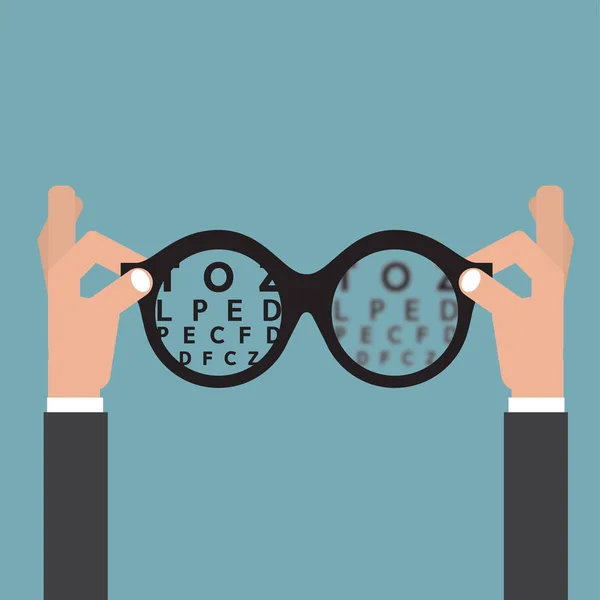
One of the earliest indicators of weak eyesight is recurring blurred vision. This may happen while reading, using digital screens, or focusing on distant objects. Many people assume this is due to temporary tiredness, but persistent blur often signals refractive errors, dryness, or early retinal stress.
Occasional blur may seem harmless, but repeated episodes suggest that the visual system is struggling to maintain focus.
2. Difficulty Seeing at Night
Struggling to see clearly in low-light environments is another common early symptom. Weak night vision may indicate issues with the retina or early degenerative changes. Ignoring this symptom can increase the risk of accidents and may point to progressive visual weakness.
3. Eye Strain and Headaches
Constant eye strain, especially after screen use or reading, is often a warning sign of weakening eyesight. This strain may be accompanied by headaches, burning sensations, or pressure around the eyes. While many blame long work hours, recurring strain often indicates uncorrected vision problems.
4. Squinting to See Clearly
If you frequently squint to sharpen focus, it suggests that your eyes are struggling to form clear images. Squinting temporarily improves clarity by reducing light entry, but it also increases eye fatigue and signals underlying refractive issues.
5. Sensitivity to Light
Increased sensitivity to light can indicate that the eyes are becoming less efficient at handling brightness and contrast. This may occur due to corneal problems, dryness, or early lens changes. Ignoring light sensitivity can worsen discomfort and reduce visual tolerance in daily environments.
Overlooked Symptoms That Signal Vision Weakness

1. Blurry Vision After Waking Up
Morning blur that takes time to clear should not be ignored. While occasional dryness can cause this, persistent episodes may suggest tear film instability or refractive imbalance. Understanding the underlying factors behind Blurry Vision After Waking Up is important to prevent long-term strain on visual focus.
2. Double Vision Episodes
Seeing double images occasionally is not normal. It may indicate muscle imbalance, nerve issues, or focusing difficulties. Exploring the possible Causes of Double Vision can help identify whether the issue is neurological, muscular, or optical in origin.
3. Frequent Need to Adjust Focus
Constantly shifting between clear and blurred vision, especially when switching from near to far objects, suggests that the eye’s focusing mechanism is weakening. This symptom often appears early in refractive errors or age-related vision decline.
4. Watery or Dry Eyes
Excessive tearing or dryness can both be linked to weak eyesight. When the eyes struggle to focus, they may produce reflex tears or feel dry due to reduced blinking during concentration.
Common Causes Behind Weak Eyesight Symptoms
Weak eyesight does not arise from a single cause. It is often linked to multiple overlapping factors that gradually reduce visual performance.
Some underlying causes include:
-
Refractive errors (myopia, hyperopia, astigmatism)
-
Digital eye strain from prolonged screen use
-
Nutritional deficiencies affecting eye health
-
Retinal stress or early degeneration
-
Poor sleep affecting tear stability
-
Chronic dryness or inflammation
Many of these conditions fall under broader categories of Common Eye Problems that worsen silently when early signs are overlooked.
When to Seek Professional Evaluation
Ignoring early symptoms of weak eyesight can be risky. You should seek timely medical evaluation if:
-
Blurry vision becomes frequent or persistent
-
Headaches occur after visual tasks
-
Night vision worsens noticeably
-
Double vision episodes appear suddenly
-
Sensitivity to light increases over time
-
Reading or screen work causes rapid fatigue
Delaying consultation can allow manageable vision problems to progress into more serious and harder-to-treat conditions. Visiting a specialized facility such as an eye hospital delhi can help ensure accurate diagnosis and early intervention before damage becomes permanent.
The Risks of Ignoring Early Warning Signs
Many individuals adapt to poor vision instead of addressing it. This silent adjustment often masks worsening eyesight until daily life is significantly affected. Ignored symptoms can lead to:
-
Progressive refractive errors
-
Increased dependency on corrective lenses
-
Reduced work productivity and concentration
-
Higher risk of accidents due to poor visual clarity
-
Long-term visual fatigue and discomfort
Early symptoms are not minor inconveniences; they are signals that the visual system is under strain and requires attention.
FAQs
Q1. Are early symptoms of weak eyesight reversible?
Some symptoms improve with timely treatment or corrective measures, but prolonged neglect can make changes harder to reverse.
Q2. Can weak eyesight develop without pain?
Yes. Many vision problems progress silently without causing pain, which is why early detection is often delayed.
Q3. Is occasional blurry vision normal?
Rare episodes may occur due to fatigue, but frequent blur should be evaluated as it often indicates refractive or ocular issues.
Q4. Does screen use permanently weaken eyesight?
Excessive screen exposure does not directly cause permanent damage but can worsen strain, dryness, and focusing problems over time.
Q5. When should early symptoms be taken seriously?
If symptoms recur regularly or interfere with daily activities, they should not be ignored and require professional evaluation.
Conclusion
Weak eyesight rarely appears suddenly; it develops through gradual warning signs that are easy to overlook. Blurry vision, eye strain, sensitivity to light, and double vision episodes are not trivial issues but early indicators of declining visual efficiency.