What Are The Most Common Eye Problems In Kids?
Dec 18, 2025
A child who keeps missing the ball on the playground or struggles to copy from the board is often labelled as careless. Many times, the real reason sits quietly behind the eyes. Parents then start to ask a very real question – what are the most common eye problems in kids and how early they can be picked up.
Children rarely say “I cannot see clearly”. For them, the way they see the world feels normal. That is why many common paediatric eye conditions go unnoticed for years. Myopia, lazy eye, squint, or eye infections may start quietly, yet they can affect learning, confidence, and long‑term vision if no one notices the early clues.
This article walks through the most frequent children's vision problems, how to recognise warning signs, and which issues need fast attention. It also explains how regular eye checks, good habits at home, and timely treatment protect a child’s sight.
At Vision Eye Centre in Delhi, the Paediatric Ophthalmology team, led by specialists such as Dr Smita Kapoor Grover, focuses on early detection and gentle, accurate care. With NABH accreditation, advanced technology and a child‑friendly setting, the centre supports families seeking safe and honest eye care for their children. By the end, you will know what to watch for, when to relax, when to act quickly, and how Vision Eye Centre can support your child’s visual development.
Key Takeaways
-
Children's vision develops very fast during the first 8–10 years of life, so problems in this phase can have life‑long effects. Regular checks and early action give the best chance for normal sight and healthy development.
-
Warning signs of childhood vision problems include squinting, head tilting, sitting close to screens, red or watery eyes, frequent headaches and reading difficulties. Because these signs are often subtle, calm observation at home and school makes a big difference.
-
The most common eye conditions in children include refractive errors (myopia, hyperopia, astigmatism), strabismus, amblyopia and infections such as conjunctivitis. Many respond well to glasses, patching, eye exercises or minor procedures when started early.
-
Healthy food, limited screen time, daily outdoor play and good safety habits support strong vision. However, sudden vision loss, eye injuries, very red or painful eyes or a white reflex in the pupil are red flags that need urgent specialist care. Vision Eye Centre provides comprehensive paediatric eye care in a calm, child‑friendly environment with advanced technology and experienced doctors.
Why Children's Eye Health Matters: Understanding The Critical Development Window
Vision is not fully developed at birth. From the first weeks of life until about 8–10 years of age, a child’s eyes and brain work together to build the connections needed for clear, comfortable sight. During this period, the brain learns to use both eyes as a team and to focus at different distances.
If a serious eye problem blocks clear images from reaching the brain, the brain can “switch off” input from that eye. Even if the eye looks normal on the outside, vision may never reach full potential. Untreated amblyopia, high refractive errors, strabismus or cataracts can then lead to permanent loss of sight in one or both eyes.
Eye health also links directly with school and social life. A child who cannot see the board, read comfortably or recognise faces may appear shy, distracted or slow, when in fact the eyes are struggling. In India, childhood blindness is a major public health concern, with an estimated 1.6 to 2 million children living with severe loss of vision.
Paediatric eye specialists often remind parents, “you cannot rely on children to complain about their sight — you see eye problems in how they behave.”
Routine checks with a paediatric ophthalmologist allow problems to be found and managed before they cause lasting harm. Vision Eye Centre uses child‑specific methods and comprehensive screening programmes to protect this sensitive phase of visual development.
Recognising The Warning Signs: How To Spot Vision Problems In Your Child
Because children assume that what they see is normal, they rarely complain about blurred vision. Instead, they quietly change their behaviour. Parents, grandparents and teachers therefore play a key role in spotting early warning signs of kids’ eye problems.
Look out for patterns such as:
-
Behavioural clues
Squinting to see distant objects, tilting the head, closing one eye, sitting very close to the television or books, rubbing the eyes often, or avoiding drawing, puzzles or reading. -
Physical symptoms
Constant watering, redness, sticky discharge, frequent styes, one eye turning in or out, strong sensitivity to light, or regular complaints of eye pain or headaches after close work. -
School and play issues
Losing place while reading, using a finger to track every word, slow reading speed, poor hand‑eye coordination, frequent falls, bumping into objects, or missing balls during sports. Teachers may also report that the child struggles to see the board.
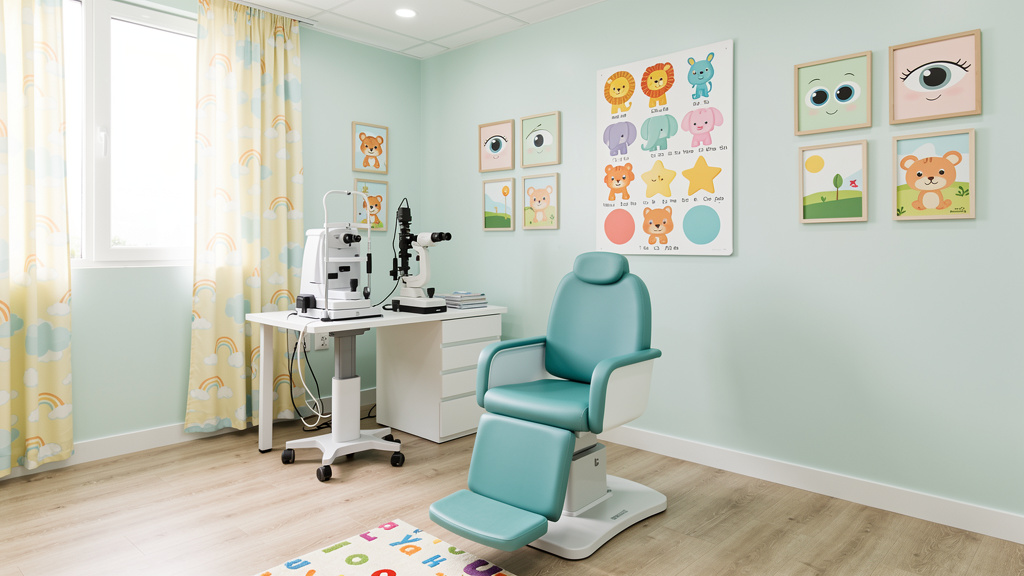
If these signs keep appearing over a few weeks, it is safer to arrange a professional eye examination rather than wait. Vision Eye Centre uses child‑friendly charts, toys and advanced equipment to make assessment accurate yet comfortable, even for very young or anxious children.
Common Refractive Errors: When Your Child's Eyes Don't Focus Properly
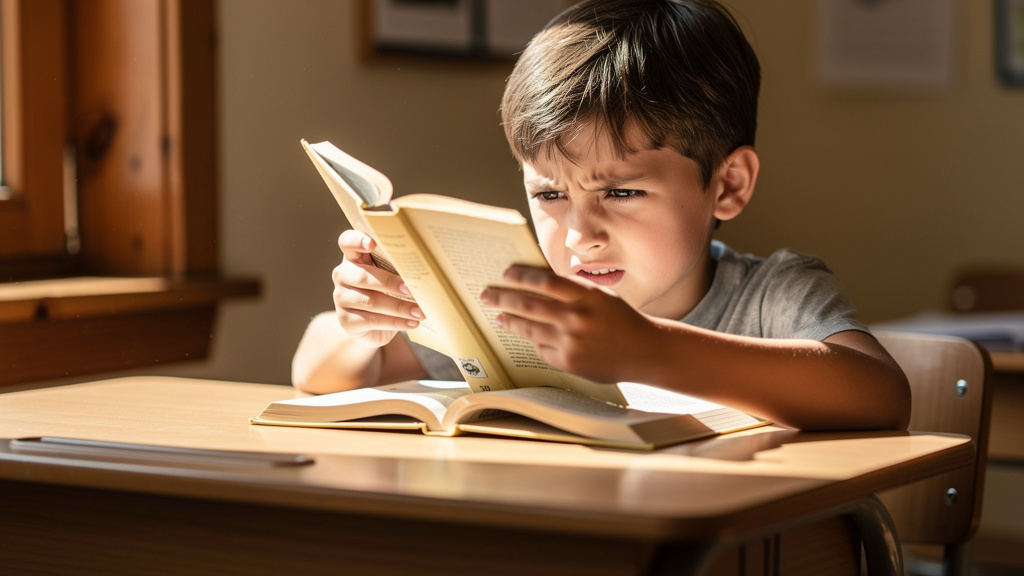
Refractive errors are the most common cause of blurred vision in children. They occur when the shape of the eye does not bend light correctly onto the retina, so images appear fuzzy instead of sharp. These are focusing issues rather than diseases and usually respond well to glasses or contact lenses.
At Vision Eye Centre, paediatric refractive checks use specialised equipment and eye drops that relax the focusing muscles. This “cycloplegic refraction” allows doctors to measure the true power of the eyes and prescribe the right correction.
Myopia (Nearsightedness)
Myopia (short‑sightedness) means a child sees nearby objects clearly but distant objects look blurred because light focuses in front of the retina. It is increasingly common in school‑age children.
Typical signs include:
-
squinting to see the blackboard
-
sitting close to the television or screen
-
missing balls or distant targets during play
Prescription glasses or, in older children, contact lenses give clear distance vision and reduce eye strain. Vision Eye Centre’s in‑house optical outlet offers child‑friendly frames and lenses, with staff who help families pick safe, comfortable options for active kids.
Hyperopia (Farsightedness)
Hyperopia (long‑sightedness) is almost the mirror image of myopia. Distant objects may look clear, while close work such as reading or drawing feels tiring because light tends to focus behind the retina.
Young eyes can often “pull” the focus forward, but this effort may cause headaches, eye ache and tiredness after near tasks. Children with moderate to high hyperopia may avoid books or homework, rub their eyes often, or struggle to keep their place while reading. Uncorrected high hyperopia can sometimes trigger a squint.
Glasses that correct hyperopia reduce strain on the focusing system and can prevent related strabismus in many cases. Vision Eye Centre provides detailed paediatric assessments that detect even subtle hyperopia before it affects learning.
Astigmatism
Astigmatism causes blurred or distorted vision at all distances. Instead of a smooth, evenly curved cornea, the eye has different curves in different directions, so light does not form a single sharp image on the retina.
Children with astigmatism may notice:
-
shadowy or stretched letters
-
headaches or tired eyes after reading
-
head tilting to find a clearer angle
Glasses or contact lenses with a cylindrical correction sharpen the focus. At Vision Eye Centre, advanced technology infrastructure such as the Keratometer, Autorefractokeratometer and IOL MASTER 500 measure corneal shape and power with high accuracy, supporting precise prescriptions and ongoing monitoring as the child grows.
Strabismus (Crossed Eyes) And Amblyopia (Lazy Eye): Understanding The Connection
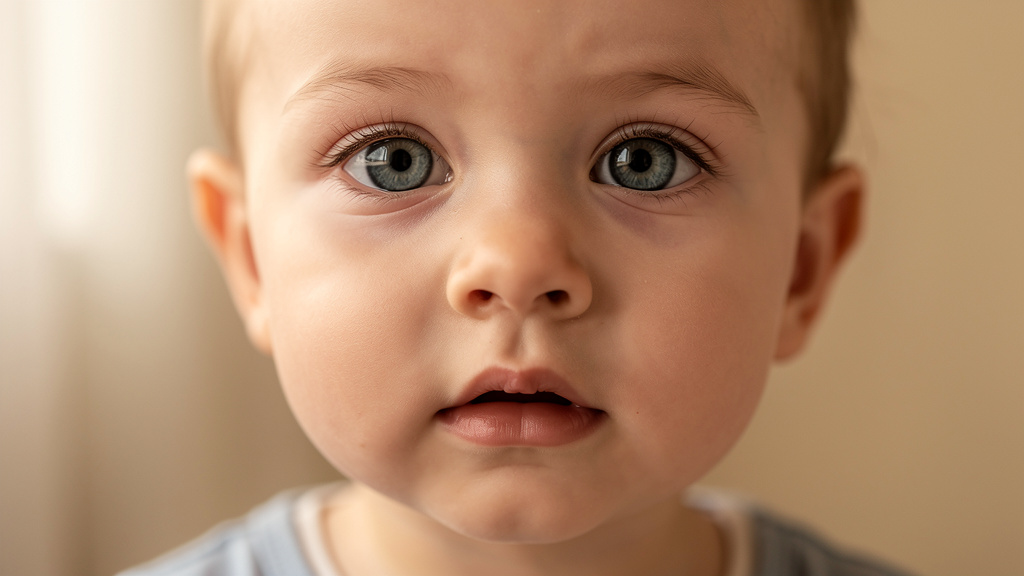
Two of the most important childhood eye conditions are strabismus and amblyopia. They are different problems, but often linked. Strabismus affects how the eyes line up and work together, while amblyopia affects how well one or both eyes see, even with the right glasses. Both interfere with how the brain learns to use sight, so early care matters.
Strabismus: When Eyes Don't Work As A Team
In strabismus, the eyes do not look in exactly the same direction at the same time. One eye may look straight ahead while the other turns inwards, outwards, upwards or downwards. Misalignment can be constant or appear only when the child is tired or unwell.
To avoid double vision, the brain may start to ignore input from the drifting eye, which then becomes weaker. Signs include eyes that look “out of line” in photos, frequent closing of one eye, or a head tilt.
Treatment may involve:
-
glasses (especially for inward‑turning squints linked with hyperopia)
-
eye exercises or prism lenses
-
squint surgery on the eye muscles
At Vision Eye Centre, strabismus specialist Dr Smita Kapoor Grover assesses each child carefully and discusses options with the family. Correcting strabismus can improve appearance, depth perception and comfort at school and during sports.
Amblyopia: The "Lazy Eye" That Needs Early Attention
Amblyopia (lazy eye) is reduced vision in one or sometimes both eyes that cannot be explained by eye shape alone. The brain has learned to favour one eye and to ignore the weaker one. It may be caused by:
-
strabismus
-
a much higher refractive error in one eye
-
blockage of sight, such as a cataract or very droopy eyelid
Children with amblyopia may bump into objects on one side, struggle with ball games, or fail vision checks in one eye. Glasses alone rarely solve the problem once amblyopia is established because the brain has “downgraded” that eye.
The best time to treat amblyopia is before about 7–8 years of age. Treatment aims to make the brain use the weaker eye through:
-
patching the stronger eye for a few hours daily
-
atropine drops in the stronger eye
-
guided vision therapy exercises
Vision Eye Centre offers structured amblyopia programmes combining patching, drops where needed and supervised exercises. With early and consistent care, many children show marked improvement; if left untouched, reduced vision may last for life.
Top 10 Paediatric Eye Conditions Every Parent Should Know About
Beyond refractive errors, children can face several other eye conditions, from mild infections to rare but serious diseases. Knowing the most common ones helps parents act calmly and quickly when something looks or feels wrong.
1. Vision Eye Centre: Your Partner In Paediatric Eye Care
Vision Eye Centre is widely regarded as one of Delhi’s trusted centres for children’s eye care. The NABH‑accredited hospital brings together paediatric ophthalmologists, strabismus specialists and retinal experts under one roof, offering everything from routine checks to complex surgery in a calm, child‑friendly atmosphere.
Modern diagnostic tools such as Cirrus HD‑OCT, Oculus PENTACAM and Ultrasound B Scan help doctors plan precise treatment. Dr Smita Kapoor Grover and the team explain conditions and options in simple language so that parents feel informed rather than rushed.
2. Conjunctivitis (Pink Eye): The Highly Contagious Infection
Conjunctivitis is inflammation of the thin membrane covering the white of the eye and the inner eyelids. Viral and bacterial forms spread easily in classrooms and playschools, while allergic conjunctivitis follows contact with pollen, dust or pet hair.
Typical symptoms:
-
red eyes and gritty sensation
-
watery or sticky discharge
-
lids stuck together on waking
At Vision Eye Centre, doctors identify whether the cause is viral, bacterial or allergic and advise suitable care such as in-house pharmacy for bacterial cases and anti‑allergy medicines and lubricants when allergy is the main trigger.
3. Paediatric Cataracts: The Urgent Threat To Vision Development
Paediatric cataracts occur when the natural lens inside the eye becomes cloudy in a baby or child. They may be present at birth or appear later due to genetic factors, infections, injury or metabolic disease. Because the cloudy lens blocks light, visual development can be severely disturbed.
Parents may notice a white or grey pupil, especially in photos, or poor eye contact and lack of interest in faces or toys. Without early treatment, dense cataracts often lead to deep amblyopia. Vision Eye Centre has experience with paediatric cataract surgery, followed by optical correction and amblyopia management for growing eyes.
4. Blocked Tear Ducts: The Watery Eye Problem In Infants
Blocked tear ducts (nasolacrimal duct obstruction) are common in newborns. Tears cannot drain properly into the nose, so they overflow or collect as sticky discharge. The eye may look constantly watery, with crusts on the lashes, even when the baby is not crying.
Many blockages open by themselves during the first year of life. Gentle massage over the inner corner of the eyelid can help. If watering and discharge continue or infections recur, doctors at Vision Eye Centre may suggest a simple probing procedure, carried out carefully with a focus on comfort for the infant.
5. Ptosis (Drooping Eyelid): When Eyelids Block Vision
Ptosis is drooping of the upper eyelid. In mild cases it is mainly a cosmetic issue, but in more severe cases the lid can cover part or all of the pupil, blocking vision and causing amblyopia in that eye.
Parents may see the child tilting the head back or using the eyebrows to lift the lids. When the line of sight is affected, surgeons at Vision Eye Centre evaluate the lid muscles and overall eye health, then plan lid muscles surgery to a safer height.
6. Chalazion And Stye: The Painful Eyelid Lumps
A stye is a tender red lump at the eyelid margin, usually due to infection of an eyelash follicle or nearby gland. A chalazion is a firmer, often painless lump slightly away from the lash line, caused by blockage of an oil gland.
Warm compresses several times a day often help to open the blocked gland and allow the lump to shrink or drain. If swelling is very painful, affects vision or does not settle, Vision Eye Centre can provide medicine or minor daycare procedures, along with advice on lid hygiene to reduce future episodes.
7. Retinopathy Of Prematurity (ROP): The Premature Baby's Risk
Retinopathy of prematurity (ROP) affects some babies born very early or with very low birth weight. In these infants, the retinal blood vessels may grow abnormally, causing scarring, bleeding and even retinal detachment. Severe ROP can lead to permanent blindness.
All high‑risk premature babies in intensive care units should receive regular retinal screening by a trained specialist. Vision Eye Centre’s retinal team works closely with neonatologists to screen such babies and provide timely treatment, including laser therapy or injections when needed.
8. Colour Blindness: The Genetic Vision Difference
Colour blindness (colour vision deficiency) is difficulty telling certain colours apart, most often shades of red and green. It is usually inherited and affects boys more often than girls.
The condition does not cause blurred vision or eye pain. Children usually discover it only when colour‑based tasks become difficult at school. Vision Eye Centre performs age‑appropriate colour vision tests and guides families and teachers on simple adjustments, such as avoiding colour‑only coding in charts or worksheets.
9. Allergic Eye Disease: The Itchy, Red Eye Trigger
Allergic eye disease is common in children sensitive to dust, pollen, smoke or animal hair. Eyes become red, very itchy and watery, and children tend to rub them hard, which can worsen swelling and irritation.
Treatment often includes anti‑allergy drops, lubricating drops and advice on avoiding triggers as far as possible. Specialists at Vision Eye Centre also watch for rubbing‑related problems such as keratoconus treatment and guide families on safe, long‑term control.
10. Retinoblastoma: The Rare But Serious Eye Cancer
Retinoblastoma is a rare cancer that starts in the retina of young children, usually before five years of age. Although uncommon, it is serious and needs very fast action.
Warning signs include:
-
a white reflex in the pupil in flash photographs
-
an eye that looks “white” in certain light
-
a new squint that appears suddenly
Early referral to an eye cancer specialist allows treatment with laser, freezing, chemotherapy or surgery, depending on stage. Vision Eye Centre helps with rapid diagnosis and referral so that children reach the right cancer centres in time.
The Screening vs. Comprehensive Exam Difference: Why Full Eye Exams Matter
Many children first have their eyesight checked during school screenings or quick tests at a clinic. These checks are helpful but only a first step. They mainly pick up large refractive errors or obvious squints and can miss subtler disease.
-
Vision screenings
Short tests of clarity and sometimes eye alignment, usually done at schools or by paediatricians. They flag children who should see an eye specialist, but a normal result does not rule out early cataracts, retinal disease or glaucoma. -
Comprehensive eye examinations
Performed by ophthalmologists or optometrists trained in children’s eyes. These visits may include distance and near visual acuity, cycloplegic refraction, alignment tests, depth perception checks and a detailed look at the cornea, lens, retina and optic nerve. -
Recommended schedule at Vision Eye Centre
A basic eye check at birth if possible, detailed exams during the first year for at‑risk babies, and at least one full exam between 3–5 years. During school years, reviews every 1–2 years, or more often if glasses are worn. Advanced tools such as IOL MASTER 500, Cirrus HD‑OCT, Oculus PENTACAM, Humphrey field analyser, Ultrasound B Scan, LCD visual acuity charts, Autorefractokeratometer and Synoptophore help the team measure and monitor children’s eyes accurately.
Protecting Your Child's Eyes: Practical Prevention And Lifestyle Tips
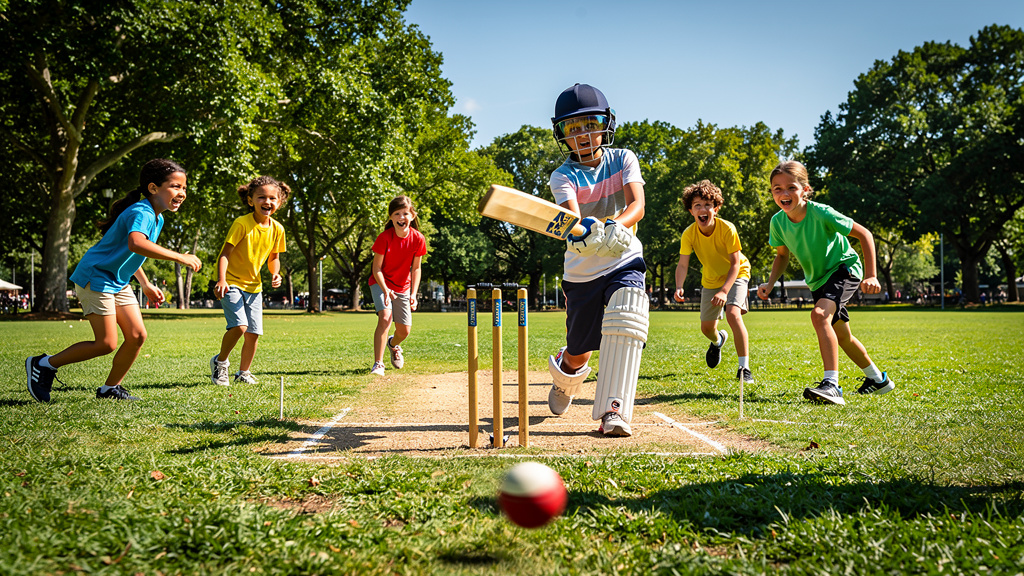
Not every eye problem can be avoided, but daily habits at home strongly influence kids’ eye health. Food choices, time outdoors, screen use and safety rules all add up over the years.
Key protective habits include:
-
Nutritious food
A colourful plate with seasonal fruits and vegetables supports the visual system. Vitamin A (carrots, sweet potatoes, spinach, eggs) helps the retina; vitamin C (citrus fruits, berries, peppers) and vitamin E (nuts, seeds, avocados) protect eye tissues; zinc (beans, nuts, lean meat) and omega‑3 fats (fish, flaxseeds) support retinal health. -
Balanced screen time and outdoor play
Long hours on phones, tablets and computers can cause tired, dry eyes and headaches. Research links heavy near‑work and little outdoor time with rising rates of refractive vision correction. Experts advise no screen time for children under two years, less than one hour a day of high‑quality, supervised content for ages 2–5, and the 20‑20‑20 rule for older kids: every 20 minutes of close work, look at something about 20 feet away for 20 seconds. Aim for at least two hours of outdoor activity most days. -
Eye safety
Protective sports goggles with polycarbonate lenses help prevent injuries during cricket, football, hockey and racquet sports. At home, keep sharp tools, chemicals and small, pointed toys out of reach. For strong sunlight, children should wear sunglasses that block 100% of UVA and UVB rays plus a broad‑brimmed hat. -
Comfortable reading and study habits
Good lighting, desks and chairs at the right height, and books held at a comfortable arm’s length reduce strain. Parents who follow these habits themselves often find children copy them naturally.
A simple rule for families is: “Healthy food, happy outdoor time, smart screen limits and safe play — your child’s eyes will thank you later.”
When To Seek Urgent Eye Care: Red Flag Symptoms You Shouldn't Ignore
Most childhood vision problems can be handled in a planned clinic visit, but some signs need same‑day or even immediate medical attention. Quick action can save sight and sometimes life.
Seek urgent care if you notice:
-
Sudden changes
Sudden loss of vision in one or both eyes, a white reflex in the pupil, very painful red eyes, or strong sensitivity to light. These may signal infection, glaucoma, retinal disease, cataract or retinoblastoma. -
Serious eye injuries
Chemical splashes, blows from balls or fists, cuts, sharp objects or flying debris. Do not let the child rub the eye or try to pull out any embedded object. Rinse gently with clean water for chemicals, cover the eye lightly and seek emergency help straight away. -
High‑risk children
Premature babies needing ROP screening, children with developmental delays, or those with a strong family history of congenital cataract, glaucoma or retinoblastoma need closer watch and fast review if anything seems wrong.
Vision Eye Centre provides access to specialist paediatric ophthalmologists, including Dr Smita Kapoor Grover, who can schedule an appointment and guide families on the next steps.
Conclusion
Clear vision shapes how a child learns, plays and connects with the world. Many common eye conditions in children — from refractive errors to strabismus, amblyopia and infections — respond well to treatment when discovered early, but can cause permanent loss of sight if they go unnoticed.
Parents who watch for warning signs, encourage healthy habits and arrange regular comprehensive eye examinations give their children a strong head start. Vision Eye Centre in Delhi offers complete children's eye care under one roof, from early screening to advanced surgery where needed. If you have any doubt about your child’s eyes, scheduling a comprehensive examination is a simple, reassuring step towards protecting their most precious sense.
FAQs
Question 1: At What Age Should My Child Have Their First Comprehensive Eye Examination?
Paediatric specialists often suggest the first detailed eye examination around six months of age, after basic newborn checks. Where possible, reviews during the first year and a full exam between 3–5 years help confirm that vision is developing well. Children with a family history of serious eye disease or developmental concerns may need earlier or more frequent visits. Vision Eye Centre offers age‑appropriate examinations designed especially for babies and young children.
Question 2: How Can I Tell If My Toddler Has A Vision Problem If They Can't Read An Eye Chart?
Toddlers do not need to know letters to have their eyes checked. Paediatric ophthalmologists use picture charts, light targets, toys and special tests that measure how the eyes focus and follow objects. Techniques such as preferential looking tests, photo‑screening and retinoscopy with cycloplegic drops allow accurate assessment even when the child cannot explain what they see. At home, watch for poor eye contact, lack of interest in faces or toys, covering one eye, bumping into objects or unusual clumsiness. Vision Eye Centre is experienced in examining very young and non‑verbal children with advanced tools and gentle handling.
Question 3: Is It Normal For My Child's Eyes To Cross Occasionally, Or Should I Be Concerned?
In newborns and very young infants, occasional crossing of the eyes can be normal as control systems mature and usually reduces by 3–4 months of age. Any constant crossing at any age, or misalignment that continues regularly beyond six months, should be examined by a paediatric ophthalmologist. Untreated strabismus can lead to amblyopia, where the brain reduces input from the drifting eye. If you feel unsure, a check‑up at Vision Eye Centre can clarify whether the pattern is normal or needs treatment.
Question 4: Can Too Much Screen Time Permanently Damage My Child's Eyes?
Screens usually do not cause permanent physical damage to the eyes, but they can lead to digital eye strain. Symptoms include dry, tired eyes, headaches, blurred vision and difficulty concentrating on near tasks. Research also links heavy screen and near‑work time with a higher risk of myopia, especially when outdoor time is low. It is sensible to keep screens away from children under two years, limit use to under one hour a day for ages 2–5, and teach older children the 20‑20‑20 rule. If discomfort or blurred vision continues, a comprehensive examination at Vision Eye Centre is advisable.
Question 5: My Child Has Been Diagnosed With Amblyopia. Is It Too Late To Treat If They're Already 8 Years Old?
The best results for amblyopia usually come when treatment starts before 7–8 years of age, but improvement is often still possible after this age. The visual system has less flexibility, so progress may be slower and may require more intensive therapy, yet gains are still worthwhile. Treatment can include glasses, patching of the stronger eye, atropine drops and guided vision therapy exercises. Vision Eye Centre designs personalised amblyopia treatment plans and supports families through the process so that every bit of potential vision is used.
Question 6: What Should I Do If My Child Gets An Eye Injury During Sports Or Play?
Stay calm and act quickly. If a foreign particle enters the eye, do not allow the child to rub it; rinse gently with clean water and seek medical care. For chemical exposure, flush the eye with plenty of running water for at least fifteen minutes and go straight to emergency care. For blunt trauma, such as a ball or fist hitting the eye, apply a clean cold compress without pressure and arrange prompt specialist review. If an object is stuck in the eye, do not pull it out; cover the eye lightly and seek emergency help. Vision Eye Centre provides rapid assessment and management of eye injuries to protect your child’s sight.