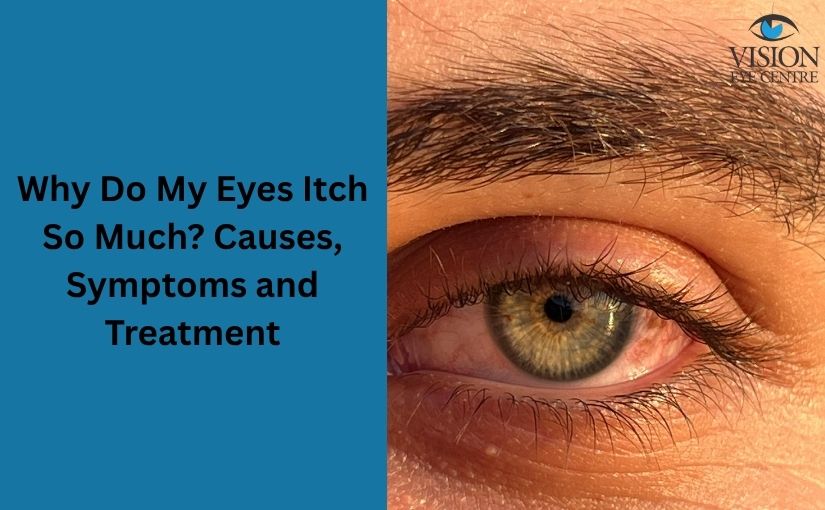
Why Do My Eyes Itch So Much? Causes, Symptoms and Treatment
Oct 15, 2026
Do your eyes feel itchy frequently? Do you experience an uncomfortable urge to rub your eyes, especially in the morning, during seasonal changes, or after spending time outdoors? Itchy eyes are a common problem that can affect people of all ages.
Eye itching can occur due to allergies, dryness, infections, environmental irritants, or certain eyelid conditions. While occasional itching may not be serious, persistent discomfort can interfere with your daily activities and may indicate an underlying eye problem.
Understanding why your eyes itch so much is the first step towards finding the right treatment. At Vision Eye Center, we encourage patients to seek professional eye care when itching becomes frequent, severe, or is accompanied by other symptoms.
What Causes Itchy Eyes?
Eye itching usually occurs when the surface of the eye or the surrounding eyelids become irritated or inflamed.
The condition may affect one eye or both eyes. Sometimes, itching occurs alongside redness, watering, swelling, or a burning sensation.
Some common causes include:
-
Eye allergies.
-
Dry eyes.
-
Eye infections.
-
Environmental irritants.
-
Contact lens-related irritation.
-
Blepharitis.
-
Allergic reactions to cosmetics or skincare products.
Identifying the underlying cause is important because different conditions require different treatments.
7 Common Reasons Why Your Eyes Itch So Much
1. Eye Allergies (Allergic Conjunctivitis)
Eye allergies are among the most common causes of itchy eyes. They occur when your immune system reacts to substances such as dust, pollen, pet dander, or mould.
When allergens come into contact with your eyes, your body releases histamine, which can trigger itching and inflammation.
Common symptoms include:
-
Persistent itching in both eyes.
-
Redness and watering.
-
Swollen eyelids.
-
Burning or irritation.
-
Sneezing and a runny nose.
Allergic conjunctivitis may occur seasonally or throughout the year, depending on the allergens responsible.
Avoiding triggers and using suitable anti-allergy eye drops or medication recommended by an ophthalmologist can help control symptoms.
2. Dry Eyes
Dry eye disease occurs when your eyes do not produce enough tears or when your tears evaporate too quickly.
The tear film protects and lubricates the surface of your eyes. When it becomes unstable, irritation and itching may develop.
Other symptoms may include:
-
Burning or stinging sensations.
-
A gritty feeling in the eyes.
-
Redness.
-
Blurred vision that fluctuates.
-
Sensitivity to light.
-
Excessive watering.
Long screen hours, ageing, certain medications, and environmental conditions can contribute to dry eyes.
Lubricating eye drops, environmental adjustments, and treatment prescribed by an eye specialist may help manage the condition.
3. Eye Infections
Certain eye infections can cause itching along with redness, irritation, and discharge.
Conjunctivitis, commonly known as pink eye, is an example. It can be caused by viruses, bacteria, or allergens.
Symptoms may include:
-
Redness in one or both eyes.
-
Itching or irritation.
-
Watery eyes.
-
Sticky discharge.
-
Swelling around the eyelids.
-
Crusting around the eyelashes, particularly after waking up.
The treatment depends on the type of conjunctivitis. Viral infections generally require supportive care, while bacterial infections may require prescribed antibiotic treatment.
Avoid sharing towels, touching your eyes unnecessarily, or using someone else's eye drops.
4. Environmental Irritants
Your eyes are sensitive to substances present in the surrounding environment. Exposure to certain irritants can trigger itching and discomfort.
Common triggers include:
-
Air pollution.
-
Dust and smoke.
-
Chemical fumes.
-
Strong perfumes.
-
Chlorinated swimming pool water.
-
Wind and dry weather.
If your eyes become itchy after exposure to these substances, try to avoid the triggering environment and protect your eyes when necessary.
Persistent irritation should be checked by an ophthalmologist.
5. Contact Lens-Related Problems
Contact lenses can sometimes cause itching, particularly when they are not cleaned properly or are worn longer than recommended.
Other possible reasons include an allergic reaction to lens solutions, poor lens fit, dryness, or deposits accumulating on the lenses.
Warning signs include:
-
Itchy or irritated eyes.
-
Redness after wearing contact lenses.
-
Excessive watering.
-
Blurred vision.
-
Discomfort while wearing lenses.
Remove your contact lenses if irritation develops. If you experience redness, pain, light sensitivity, or blurred vision, seek prompt eye care, as contact lens-related infections can be serious.
Always follow the cleaning, storage, and replacement instructions provided by your eye specialist.
6. Blepharitis (Eyelid Inflammation)
Blepharitis is a condition in which the edges of your eyelids become inflamed. It may occur due to bacterial overgrowth, skin conditions, or problems with the oil glands in your eyelids.
It can cause itching around the eyelashes and eyelid margins.
Common symptoms include:
-
Itchy eyelids.
-
Redness along the eyelid edges.
-
Crusting around the eyelashes.
-
Burning or gritty sensations.
-
Swollen eyelids.
-
Dry or watery eyes.
Treatment may include regular eyelid cleaning, warm compresses, and medication when prescribed by an eye specialist.
7. Reactions to Makeup and Skincare Products
Certain cosmetic and skincare products can irritate the sensitive skin around your eyes.
Mascara, eyeliner, eye creams, facial cleansers, and makeup removers may contain ingredients that trigger allergic reactions or irritation.
Symptoms can include itching, redness, swelling, and watering.
If you notice irritation after using a particular product, stop using it and avoid applying cosmetics near the affected area until the symptoms improve. Seek medical advice if the reaction continues.
How Can You Stop Your Eyes from Itching?
The right treatment depends on what is causing the itching. However, some general measures may help reduce irritation.
-
Avoid rubbing your eyes: Rubbing can increase irritation and potentially damage the eye surface.
-
Apply a clean, cool compress: It may provide temporary relief from itching and swelling.
-
Maintain proper hygiene: Wash your hands before touching your eyes.
-
Take screen breaks: Follow the 20-20-20 rule to reduce digital eye strain.
-
Avoid known allergens: Limit exposure to dust, pollen, smoke, and other triggers.
-
Use suitable lubricating drops: Artificial tears may help if dryness is contributing to the itching.
-
Follow contact lens hygiene: Clean and replace lenses according to professional instructions.
Do not use steroid or antibiotic eye drops without an ophthalmologist's recommendation.
When Should You Visit an Eye Specialist?
Occasional itching may improve after avoiding irritants. However, frequent or persistent itching should not be ignored.
Consult an ophthalmologist if you experience:
-
Itching that continues for several days.
-
Repeated redness or swelling.
-
Discharge from the eyes.
-
Pain or discomfort.
-
Blurred or reduced vision.
-
Sensitivity to light.
-
Symptoms that do not improve with basic care.
Seek urgent medical attention if eye itching occurs with severe pain, sudden vision changes, significant light sensitivity, or a chemical injury.
How Are Itchy Eyes Diagnosed?
An ophthalmologist may examine your eyes to determine the reason for persistent itching.
Depending on your symptoms, the examination may involve:
-
Visual assessment: Checks whether the condition is affecting your vision.
-
Slit-lamp examination: Allows the doctor to examine the cornea, conjunctiva, eyelids, and other eye structures.
-
Tear film evaluation: Helps identify dry eye-related problems.
-
Eyelid examination: Checks for blepharitis and other eyelid conditions.
-
Additional tests: May be recommended if an allergy, infection, or another eye disorder is suspected.
An accurate diagnosis helps determine the most suitable treatment.
Get Expert Eye Care at Vision Eye Center
Frequent eye itching can make everyday activities uncomfortable. Although allergies and dry eyes are common causes, persistent symptoms may also indicate an infection, eyelid inflammation, or another eye condition.
At Vision Eye Center, patients can seek professional guidance and eye examinations to identify the cause of their discomfort and understand suitable treatment options.
If your eyes itch frequently, avoid self-medicating or repeatedly rubbing them. Consult an eye specialist for proper evaluation and timely care.
Book your eye examination at Vision Eye Center and take a step towards healthier, more comfortable eyes.
Frequently Asked Questions (FAQs)
1. Why are my eyes so itchy all the time?
Persistent itchy eyes may be caused by allergies, dry eye disease, infections, blepharitis, or environmental irritants. An eye examination can help identify the exact cause.
2. Can itchy eyes be a sign of an allergy?
Yes. Eye allergies commonly cause itching, redness, watering, and swollen eyelids. They may occur after exposure to dust, pollen, pet dander, or other allergens.
3. Is rubbing itchy eyes harmful?
Yes. Frequent rubbing can increase irritation, worsen inflammation, and potentially damage the corneal surface. It is better to use a clean, cool compress for temporary relief.
4. What is the best eye drop for itchy eyes?
The appropriate eye drops depend on the cause. Lubricating drops may help with dryness, while allergy-related itching may require anti-allergy medication. Consult an ophthalmologist before choosing medicated eye drops.
5. Can dry eyes cause itching?
Yes. An unstable tear film can cause irritation, burning, and itching. Dry eyes may also produce excessive reflex tears.
6. Why do my eyes itch more at night?
Eye itching at night may be related to dry eyes, allergies, eyelid inflammation, or exposure to bedding-related allergens such as dust mites. Persistent symptoms should be evaluated by an eye specialist.
7. When should I worry about itchy eyes?
You should seek medical attention if itching is persistent or accompanied by significant redness, pain, discharge, light sensitivity, or changes in vision. Severe pain or sudden vision loss requires urgent assessment.