Hunter Eyes Guide: How to Get Sharp Eyes & Eye Shape Naturally
Mar 23, 2026
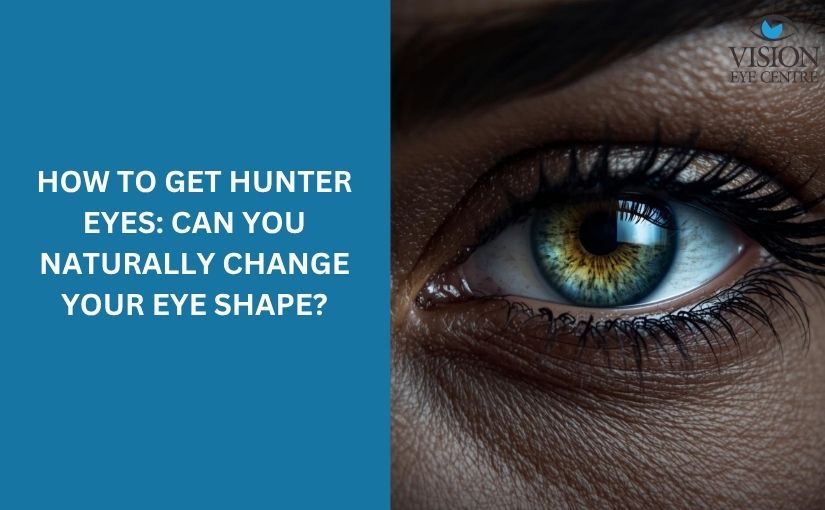
How to Get Hunter Eyes: Can You Naturally Change Your Eye Shape?
If you've spent any time on social media or grooming forums, you've probably come across the term "hunter eyes". This trending concept — popular among young men and increasingly women across India — refers to a specific eye shape that projects an intense, focused, and attractive appearance. But how to get hunter eyes, and is it even possible naturally?
In this in-depth guide, we separate fact from fiction, explain the biology behind eye shape, discuss what's actually achievable naturally, and outline the safe medical options available for those who want to change their eye appearance.
What Are Hunter Eyes?
The term "hunter eyes" is primarily a social media and aesthetics community concept, not a medical term. It refers to eyes that have these characteristics:
- Deep-set appearance — eyes appear sunken slightly into the skull
- Positive canthal tilt — the outer corners of the eyes are higher than the inner corners
- Heavy or prominent brow ridge — creating a "hooded" effect
- Compact, almond-shaped eyelids
- Narrow, focused appearance — often described as "piercing" or "intense"
This is contrasted with "prey eyes" — a term used in the same communities to describe large, round, wide-set eyes. Most of these features are determined by your bone structure and genetics, and cannot be fundamentally changed without surgical intervention.
Can You Naturally Get Hunter Eyes?
Here's the honest, expert answer: You cannot fundamentally change your eye shape or brow bone structure naturally. These are determined by your skull's orbital bone structure, which is genetically determined and set by the time you reach early adulthood.
However, there are several things you can naturally influence that affect how your eyes appear:
1. Body Fat Percentage
Higher body fat tends to add fullness to the face, including around the eyes, which can reduce the deep-set appearance. Leaner individuals often have more prominent brow bones and deeper-set eyes. While you cannot target fat loss in the face specifically, overall fat loss from exercise and diet may subtly change facial appearance. For Indians especially, managing diet and getting adequate sleep also reduces puffy eyes and under-eye swelling which can make the eye area look less sharp.
2. Posture and Head Position
Looking slightly downward with a neutral expression — rather than wide-eyed — naturally creates a more "lidded" appearance similar to hunter eyes. Improved posture and confident demeanour can make the eyes appear more focused and intense without any physical change.
3. Sleep Quality
Getting adequate, quality sleep reduces puffiness, dark circles, and swelling around the eyes — all of which affect how your eyes appear. Poor sleep makes eyes look tired and droopy rather than sharp. Address under-eye wrinkles and dark circles to enhance the overall eye area appearance.
4. Reducing Eye Puffiness
Puffiness around the eyes makes them appear rounder and larger — the opposite of the hunter eye look. Managing puffy eyes through diet, hydration, and cold compresses can help define the eye area better.
5. Mewing (Tongue Posture)
A popular concept in aesthetics communities, "mewing" (maintaining proper tongue posture against the roof of the mouth) is claimed to gradually improve jaw and facial structure. While there is limited scientific evidence for its effectiveness in adults, it is generally harmless and may benefit oral health.
What Actually Determines Eye Shape?
Your eye shape is determined by several genetic and biological factors:
- Orbital bone structure — the eye socket shape
- Canthal tilt — angle between inner and outer eye corners (genetic)
- Eyelid anatomy — presence or absence of epicanthal fold, eyelid crease position
- Fat distribution — orbital fat pads around the eye
- Ptosis (eyelid drooping) — can be genetic or age-related
Many Indians have beautiful almond-shaped eyes that already possess several characteristics similar to hunter eyes. The obsession with changing eye shape is largely driven by Western beauty standards popularised on social media. It's important to appreciate your natural eye features.
Medical and Cosmetic Options for Eye Shape Enhancement
For those who genuinely want to change their eye appearance beyond natural methods, there are safe medical options available in India:
1. Canthoplasty / Canthopexy
This is a surgical procedure that changes the angle and tightness of the outer corner of the eye (the canthus). A lateral canthoplasty can create or enhance a positive canthal tilt — one of the defining features of hunter eyes. This is performed by oculoplastic surgeons.
2. Ptosis Correction (Eyelid Lifting)
If you have medically significant eyelid drooping (ptosis), surgical correction can create a more defined, open eyelid appearance. This is a medically indicated procedure, not purely cosmetic. You should also get a full eye examination including checking your eye power before any eye-area procedure.
3. Blepharoplasty (Eyelid Surgery)
Upper or lower eyelid surgery can remove excess skin and fat to create a more defined eyelid contour. This is one of the most commonly performed cosmetic eye procedures globally.
4. Fillers and Botox
Strategic placement of hyaluronic acid fillers around the orbital area, or Botox to create a slight brow lift, can subtly enhance eye appearance without surgery. However, these are temporary (lasting 6–12 months) and must be performed by a qualified specialist.
5. Makeup Techniques
For women (and increasingly men), makeup is the most accessible and reversible way to create the appearance of hunter eyes. Winged eyeliner, contouring the browbone, and using darker shadow on the outer corners can simulate a positive canthal tilt.
A Note on Mental Health and Body Image
While it's perfectly normal to want to look your best, the intense focus on achieving a specific "ideal" eye shape — largely promoted by social media — can sometimes be associated with body dysmorphic disorder (BDD), particularly in young men. If you find yourself obsessing over your facial features to the point where it affects your daily life, confidence, or relationships, speaking with a mental health professional is strongly recommended.
True attractiveness comes from confidence, health, and character — not from achieving a specific eye shape seen on social media. Keep your eyes healthy by also understanding what causes red eyes and maintaining good eye hygiene.
FAQs About Hunter Eyes
Q1. Can you naturally get hunter eyes?
You cannot change your fundamental eye bone structure naturally. However, improving posture, reducing body fat, eliminating eye puffiness, and getting adequate sleep can subtly enhance the sharpness and definition of your eye area.
Q2. What is the canthal tilt, and can it be changed?
The canthal tilt is the angle of the outer eye corner relative to the inner corner. A positive canthal tilt (outer corner higher) is a key feature of "hunter eyes." It is genetically determined but can be surgically altered through canthoplasty performed by a qualified oculoplastic surgeon.
Q3. Is ptosis correction the same as getting hunter eyes?
No. Ptosis correction treats medically significant eyelid drooping. While the procedure may create a more defined eyelid appearance, it is a medical procedure indicated for functional improvement, not purely cosmetic hunter-eye enhancement.
Q4. Are there exercises to change eye shape?
There are no scientifically proven exercises that change the shape of your eyes. The bones and tendons that determine eye shape cannot be altered through muscle exercises.
Q5. What's the difference between hunter eyes and prey eyes?
Hunter eyes refer to deep-set, almond-shaped eyes with a positive canthal tilt and prominent brow ridge. Prey eyes refer to large, wide, round eyes with a more neutral or negative canthal tilt. Both are natural variations in eye shape — neither is inherently better or worse.
Q6. At what age can you get eye shape surgery in India?
Most elective oculoplastic procedures are performed on adults aged 18 and above after a thorough evaluation. A consultation with a qualified ophthalmologist or oculoplastic surgeon is essential to determine suitability.
Conclusion
The desire to learn how to get hunter eyes is understandable in today's aesthetics-focused culture. While you cannot fundamentally change your eye shape naturally, there are lifestyle improvements, makeup techniques, and safe medical procedures that can enhance your eye area appearance. The most important thing is to make informed decisions, consult qualified medical professionals, and maintain good overall eye health.
Your eyes are not just about appearance — they are your most vital sensory organs. Keep them healthy, and their natural beauty will shine through.
👁️ Interested in Eye Aesthetics or Health?
Whether you have questions about eyelid procedures, eye health, or just want a comprehensive eye check-up, our specialists at Vision Eye Centre are here to guide you with expert care and honest advice.